

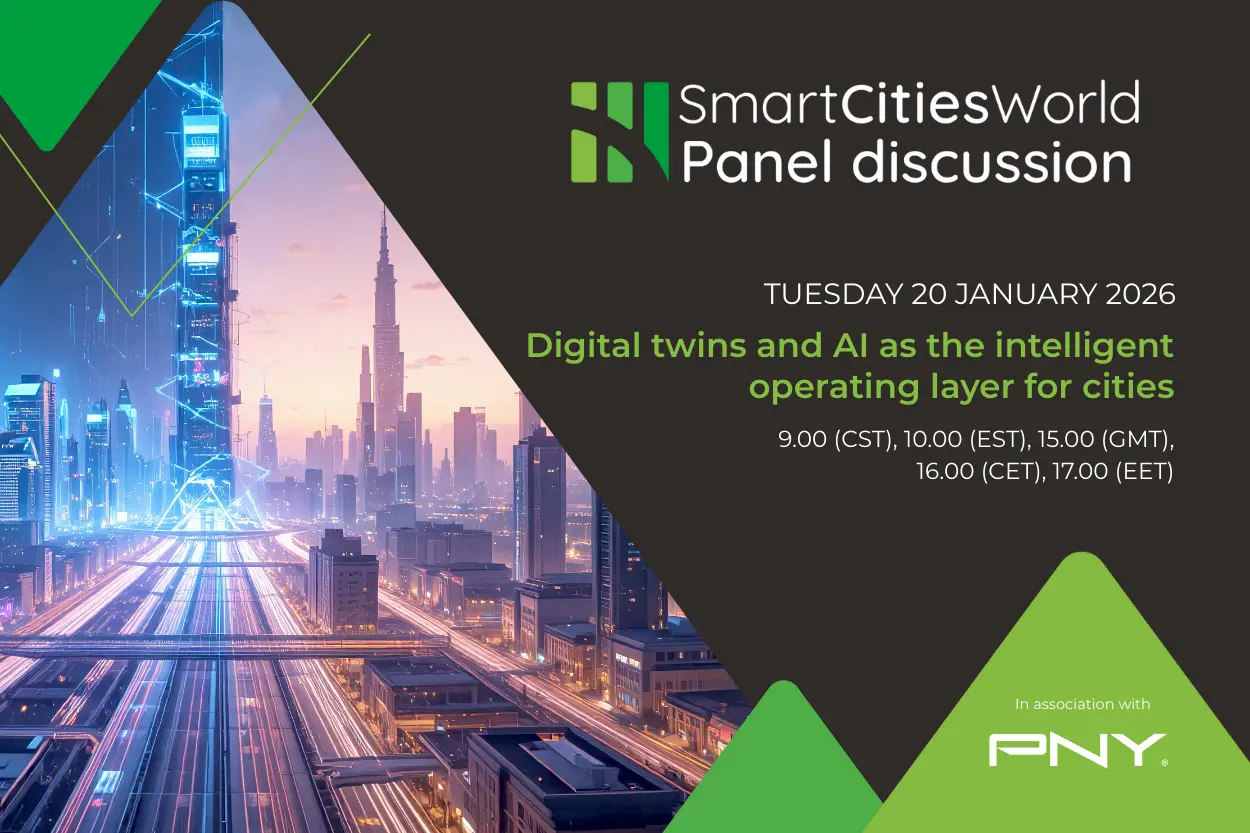
Urban environments worldwide are facing unprecedented pressures from climate change, aging infrastructure, population growth, and the demand for digital transformation. In response, a new paradigm is taking shape: the integration of digital twins and artificial intelligence as the intelligent operating layer for cities. This combination allows urban leaders to model complex systems, predict outcomes, and optimize operations in ways that were previously impossible.
A digital twin is a virtual replica of a physical asset, system, or process. When enriched with real-time data from sensors, IoT devices, and public data streams, it becomes a dynamic mirror capable of simulating scenarios and forecasting future states. By adding AI—machine learning, deep learning, and rule-based algorithms—these twins transform from passive models into active decision-support tools. They can autonomously adjust traffic signals, predict water main breaks, or optimize energy use across buildings.
How AI-Enhanced Digital Twins Work in Cities
The core architecture involves three layers. First, the physical layer includes sensors, cameras, and IoT devices that stream data on traffic flow, air quality, energy consumption, pedestrian movement, and more. Second, the digital twin layer aggregates this data into a unified, geospatial model. Third, the AI layer applies analytics to identify patterns, anomalies, and optimal responses. Outputs can be visualizations, alerts, or automated commands sent back to physical systems.
For urban transport networks, this means real-time monitoring of congestion, incident detection, and adaptive traffic management. For example, an AI-powered digital twin of a city’s road network can simulate the impact of a major event like a concert or a road closure. It can then recommend rerouting strategies to minimize delays. In day-to-day operations, machine learning models can predict when bus routes need additional capacity based on historical ridership and weather data.
Infrastructure resilience is another critical application. Cities use digital twins to model the effects of extreme weather—flooding, heatwaves, storms—on assets like bridges, tunnels, and power grids. AI algorithms can predict failure points and prioritize maintenance schedules. This proactive approach reduces downtime and repair costs while improving public safety.
Global Examples of AI-Powered Digital Twin Initiatives
Several cities are already at the forefront of this innovation. Malaysia, for instance, has positioned itself as a leader in AI-powered urban innovation, hosting the first Southeast Asian Smart City Expo in Kuala Lumpur. The country’s capital has deployed digital twins for traffic management and disaster response, using AI to analyze patterns from hundreds of cameras and sensors. This has reduced average commute times by 15% and improved emergency vehicle routing.
Sunderland, UK, is repositioning itself as a leading smart city by leveraging digital infrastructure and low-carbon innovation. Its digital twin integrates data from energy grids, public transport, and building management systems. AI models help the city reduce carbon emissions by optimizing heating and lighting in municipal buildings. The city profile highlights how these efforts are building a resilient, future-focused economy.
Dublin, Ireland, has committed to digital twin projects that improve citizen experiences. The city uses a twin to simulate traffic reduction strategies, including congestion pricing and improved pedestrian zones. AI analyzes travel patterns to suggest dynamic parking availability. Dublin’s digital twin also supports economic growth by modeling the impact of new developments on local infrastructure.
Quezon City in the Philippines provides a telling example of resilience. After unexpected extreme rainfall, the city used its digital twin to rapidly assess flood damage and coordinate response. The AI layer integrated satellite imagery and ground sensors to predict where water would rise, allowing preemptive evacuations. This case study illustrates how digital twins can be lifesaving in climate-vulnerable regions.
The Role of AI in Urban Data Groundwork
Before deploying AI, cities must establish robust data foundations. This means normalizing data from disparate sources, ensuring quality, and creating governance frameworks. Many cities, like Sunderland, emphasize the importance of preparing for AI by first cleaning and structuring their data. OnDemand webinars have highlighted that without this groundwork, AI models will produce unreliable outputs.
AI for personalized government services is another frontier. By using digital twins of citizens’ interactions—without violating privacy—cities can tailor communications, benefits, and public services. For example, a twin of community health patterns might guide vaccination campaigns or social services outreach. The challenge is building trust and inclusivity, as discussed in trend report panel discussions. Algorithmic bias must be addressed, and data sovereignty respected.
Smart Sensor Networks and Indoor Safety
Beyond citywide twins, smart sensor networks are critical for indoor safety. In buildings, these sensors detect risks like gas leaks, fire, or structural stress early. AI analyzes sensor data to improve situational awareness, enabling automated alerts and safety protocols. This supports healthier, more secure, and sustainable buildings, contributing to overall urban resilience.
Gareth Tang, President of Urban Solutions at ST Engineering, has spoken about how urban AI applications will evolve. He notes that AI is already making significant impact in areas like predictive maintenance of railway systems and intelligent building management. “In the near future,” Tang says, “we will see digital twins that can simulate entire city ecosystems, with AI acting as the brain that coordinates all subsystems—from energy to water to transport.” This vision aligns with the concept of the intelligent operating layer.
Challenges and Considerations
Implementing AI-powered digital twins is not without hurdles. Data privacy, interoperability between systems, cybersecurity, and the digital divide all require careful handling. Cities must engage communities to ensure that these technologies serve everyone, not just the tech-savvy. Additionally, the cost of sensors, data storage, and AI expertise can be prohibitive. However, many of these expenses are declining, and the long-term savings in efficiency and resilience often justify the investment.
Another key aspect is the absence of a conclusion. The journey toward fully intelligent urban operations is ongoing. As more cities adopt digital twins, they will generate best practices, new algorithms, and shared data models. Collaborative platforms like SmartCitiesWorld summits and ex-change events facilitate this knowledge sharing. The next decade will likely see AI-powered digital twins become standard operating infrastructure for mid-sized and large cities globally.
In summary (but note that the article intentionally avoids a formal conclusion), the fusion of digital twins and AI represents a transformative approach to urban management. It enables cities to not only react to changes but anticipate and shape them. From Malaysia to Sunderland to Dublin, early adopters are proving that this intelligent operating layer can deliver measurable improvements in efficiency, resilience, and sustainability. As climate pressures intensify, this technology will become an essential tool for urban survival and prosperity.
Source: Smart Cities World News