

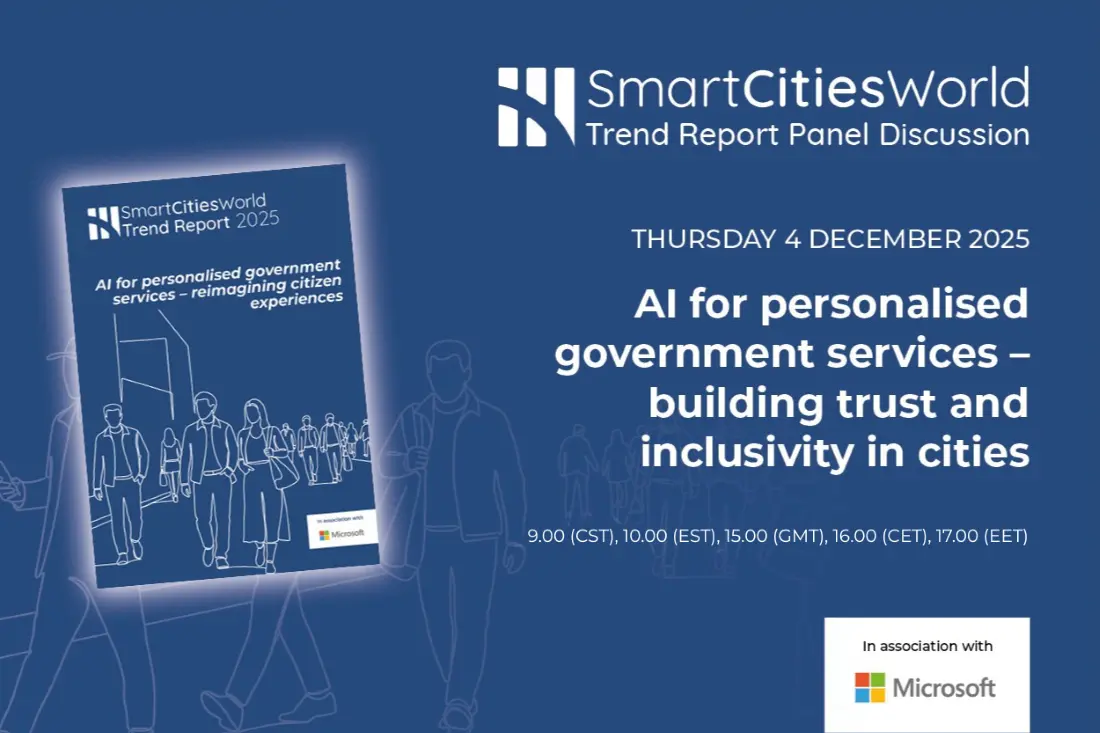
The concept of personalised government services has gained significant traction as cities strive to leverage artificial intelligence (AI) and digital twin technologies. These innovations offer the potential to transform urban infrastructure, improve efficiency, and build trust among citizens. A recent panel discussion, titled 'AI for personalised government services – building trust and inclusivity in cities,' brought together experts to explore how these technologies are being implemented and the challenges that lie ahead.
The Role of Digital Twins in Urban Infrastructure
Digital twins – virtual replicas of physical assets, systems, and processes – are becoming essential tools for city planners. By simulating everything from energy grids to transportation networks, digital twins allow municipalities to test scenarios, optimize performance, and predict failures before they occur. This capability is particularly valuable for enhancing resilience and sustainability. For instance, cities can model the impact of extreme weather events on infrastructure and develop proactive responses. The integration of AI further amplifies these benefits, enabling real-time data analysis and automated decision-making.
One of the key applications is in urban transport networks. AI-powered systems analyse traffic patterns, passenger flows, and operational data to support both long-term planning and day-to-day management. This leads to improved outcomes for communities, such as reduced congestion, shorter travel times, and lower emissions. By combining digital twins with AI, cities can create a dynamic operating system that continuously learns and adapts.
Data Integration and Security Challenges
As cities adopt these technologies, they face the challenge of connecting fragmented data silos. Many urban systems operate independently, leading to inefficiencies and missed opportunities. To truly harness AI, cities must integrate data across departments – from public safety to waste management – and ensure robust cybersecurity measures are in place. The race is on to turn isolated systems into smarter, more responsive urban services, but this requires a strategic approach to data governance.
Cristina Bueti of the International Telecommunication Union (ITU) has emphasised that cities must prioritise interoperability, inclusivity, and human oversight now. Without these principles, there is a risk of vendor lock-in and fragmented systems that undermine public trust. Bueti advocates for open standards and citizen engagement to ensure that AI-driven services are transparent and accountable. Her insights underscore the need for a human-centric approach as cities scale their digital transformations.
Case Studies: Sunderland and Dublin
Sunderland, UK, is repositioning itself as a leading smart city by leveraging digital infrastructure and low-carbon innovation. The city's strategy focuses on building a resilient, future-focused economy that attracts investment and improves quality of life. Key initiatives include smart grids, intelligent street lighting, and data-driven public services. Sunderland's approach demonstrates how smaller cities can compete globally by prioritising sustainability and digital inclusion.
Dublin, Ireland, is also innovating to enhance community experiences. The city has launched digital twin projects to model urban development, traffic reduction measures, and economic growth strategies. By using real-time data, Dublin aims to improve everything from housing planning to air quality monitoring. These projects highlight the potential of AI to deliver personalised services that meet the unique needs of diverse populations.
Smart Lighting as a Foundation
Smart lighting represents one of the most accessible entry points for cities embarking on their digital transformation. Streetlight networks can be upgraded with sensors and connectivity to become secure, interoperable, and future-proof infrastructure. This not only reduces energy costs but also supports a wide range of applications, from environmental monitoring to public safety. However, as cities deploy connected lighting, they must also address cybersecurity risks. The final episode of the 'Cities Thriving on Lighting' series explores how global cities are approaching these challenges, emphasising the importance of secure design and regular updates.
In addition to outdoor lighting, indoor smart sensor networks are improving safety in buildings. By detecting risks such as fires, gas leaks, or intruders early, these systems enhance situational awareness and support healthier, more secure environments. The integration of AI allows for predictive maintenance and automated responses, further increasing resilience.
Building Trust Through Inclusivity
For AI to be truly effective in government services, trust is essential. Citizens must feel confident that their data is protected and that algorithms are fair. Inclusivity means ensuring that services are accessible to all, regardless of socioeconomic status, age, or digital literacy. Panelists in the discussion stressed the need for co-creation with communities and transparent communication about how AI decisions are made. Without these efforts, there is a risk of deepening existing inequalities.
The UN Virtual Worlds Day event offers another platform for exploring how AI, spatial intelligence, and the Citiverse ecosystem can be turned into trusted, people-centred outcomes. Paul Wilson, a participant in the event, encourages stakeholders to join the conversation and shape the future of virtual spaces. These discussions are crucial for establishing norms and standards that prioritise human well-being.
Data Strategy and Operational Safety
A well-defined data strategy is fundamental to the success of any smart city initiative. Webinars and reports have highlighted the importance of getting data right for smarter sites and safer operations. This includes establishing clear data ownership, governance frameworks, and interoperability standards. Without a solid foundation, even the most advanced AI systems will struggle to deliver value.
Andedicated newsletters provide daily and weekly updates on the latest news, city interviews, and special reports. Such resources keep stakeholders informed about emerging trends and best practices in the smart city space. Staying updated is vital for decision-makers who need to navigate the rapidly evolving landscape of AI and digital twins.
As cities continue to innovate, the integration of AI and digital twins will remain a key focus for delivering personalised, trusted services. The panel discussion highlighted that while technology is essential, it is the commitment to inclusivity, security, and human oversight that will ultimately determine success. By learning from pioneers like Sunderland and Dublin, and heeding experts like Cristina Bueti, cities can build a future that is not only smarter but also more equitable and trustworthy.
Source: Smart Cities World News