

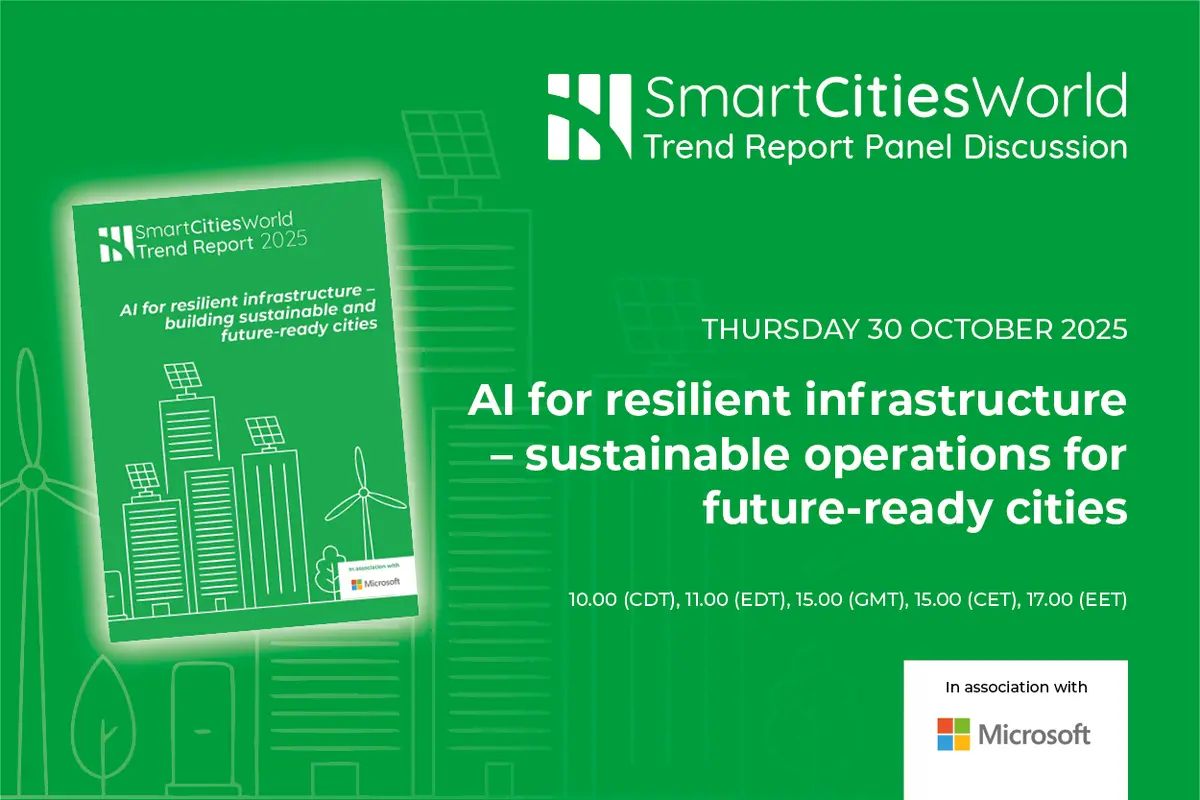
The integration of artificial intelligence into urban infrastructure is no longer a futuristic concept but a present-day imperative. A recent on-demand trend report panel discussion titled 'AI for resilient infrastructure – sustainable operations for future-ready cities' brought together experts to examine how AI-powered digital twins, smart sensor networks, and interoperable systems are reshaping the way cities plan, operate, and sustain their environments.
The Role of AI-Powered Digital Twins
Digital twins are virtual replicas of physical systems that enable real-time monitoring, simulation, and optimization. With AI, these models become predictive tools capable of anticipating failures, optimizing resource allocation, and reducing energy consumption. Cities are using digital twins for everything from traffic management to water distribution, creating a single source of truth that supports cross-departmental collaboration. The panel highlighted that such innovations can dramatically improve efficiency, resilience, and sustainability, especially when cities face challenges like climate change, population growth, and aging infrastructure.
Transforming Urban Transport Networks
Urban transport networks are among the most complex systems in a city. Data and AI are being deployed to support not only long-term planning but also day-to-day operations. For example, machine learning algorithms analyze real-time traffic flows to adjust signal timings, reduce congestion, and improve passenger experiences. AI can also predict maintenance needs for vehicles and tracks, minimizing disruptions. The discussion emphasized that these technologies must be designed with community outcomes in mind—enhancing accessibility, reducing emissions, and promoting equitable mobility.
Connecting Data and Strengthening Security
As cities race to digitize, they must also address the fragmentation of systems. The panel noted that many cities still rely on siloed data sources, which hinder the development of a unified smart city ecosystem. AI can help bridge these gaps by ingesting data from disparate sources and providing actionable insights. However, with greater connectivity comes increased cybersecurity risk. The experts stressed the need for robust security frameworks and transparent data governance to protect citizen privacy and maintain public trust.
Expert Insights: Interoperability and Human Oversight
Cristina Bueti, a senior expert from the International Telecommunication Union (ITU), provided a crucial perspective: cities must prioritize interoperability, inclusivity, and human oversight now. Without these, she warned, fragmented systems and vendor lock-in could define the future of urban AI. Interoperability ensures that different city systems can communicate, whether it's a traffic light talking to a bus schedule or a water sensor alerting the energy grid. Inclusivity means that technology benefits all citizens, not just the tech-savvy. Human oversight ensures that AI decisions are transparent and accountable.
City Profiles: Sunderland and Dublin
The panel showcased two cities leading the way: Sunderland and Dublin. Sunderland is repositioning itself as a smart city through investments in digital infrastructure and low-carbon innovation. The city is building a resilient, future-focused economy by integrating IoT sensors, renewable energy, and data analytics into urban planning. Dublin, meanwhile, is using digital twin projects to reduce traffic, stimulate economic growth, and improve services. The city’s approach includes a collaborative platform that allows stakeholders to visualize the impact of policy changes before implementation.
Smart Lighting and Cybersecurity
Two episodes of the series 'Cities Thriving on Lighting' were referenced during the discussion. The first episode examined how global cities are approaching smart lighting and the cybersecurity risks that accompany connected streetlights. The second explored the technology and considerations behind converting existing streetlight networks into secure, interoperable, and future-proof infrastructure. Smart lighting is often the first step for many cities because of its cost savings and immediate impact, but security must be baked in from the start.
UN Virtual Worlds Day and the Citiverse
The conversation also touched on the UN Virtual Worlds Day event, which explores how AI, spatial intelligence, and the Citiverse ecosystem can deliver trusted, people-centred outcomes. As Paul Wilson explained, these virtual environments offer a sandbox for testing urban interventions in a risk-free setting. The Citiverse could become a powerful tool for citizen engagement and co-creation.
Indoor Safety and Smart Sensor Networks
Beyond outdoor infrastructure, the panel discussed how smart sensor networks improve indoor safety. By detecting risks early—such as gas leaks, unauthorized access, or fire hazards—these systems enhance situational awareness and support healthier, more secure, and sustainable buildings. AI algorithms analyze sensor data to trigger automated responses or alerts, reducing response times and potentially saving lives.
Practical Resources for Implementation
The discussion concluded with references to on-demand webinars and newsletters that provide deeper dives into data strategy for smarter sites and safer operations, as well as how sensors, AI, and digital twins can shape the future of urban transport. The SmartCitiesWorld editorial newsletter regularly curates city interviews, special reports, and guest opinions that keep subscribers informed of the latest trends. These resources are valuable for city officials, planners, and technology providers looking to implement AI-driven solutions in their own communities.
As the panel made clear, the path to future-ready cities requires a holistic approach—combining advanced technology with strong governance, inclusive design, and continuous learning. AI for resilient infrastructure is not just about making cities smarter, but about making them more adaptable and equitable for the generations to come.
Source: Smart Cities World News