

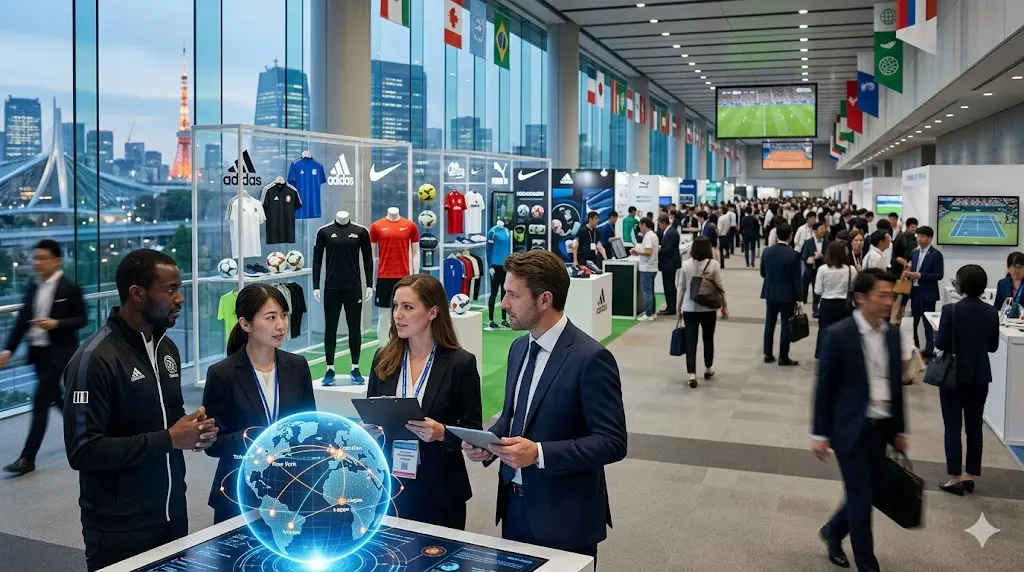
Cross border trade is reshaping the sports industry faster than most fans realize. From athlete sponsorships and merchandise sales to international broadcasting rights and global sports investments, money now moves across borders almost as quickly as highlights spread online. Teams, leagues, brands, and even smaller sports startups are adapting because international trade is no longer optional in sports business.
Cross border trade is changing the sports industry worldwide by expanding sponsorship deals, increasing international broadcasting revenue, improving athlete mobility, and creating new global fan markets. Sports organizations that embrace international partnerships, digital commerce, and overseas branding are seeing stronger growth, larger audiences, and more diversified income streams in 2026.
What Is Cross Border Trade in Sports?
Cross Border Trade: The exchange of sports-related products, services, investments, media rights, sponsorships, and talent between different countries.
That definition sounds corporate, but here’s the simple version. A football club in Europe selling jerseys in Asia, a streaming company in the United States buying cricket rights from India, or an athlete signing endorsement deals with brands from multiple countries are all examples of cross border trade in sports.
Ten years ago, most sports businesses focused heavily on local markets. That’s changed. Today, sports organizations think globally from day one. A small sportswear company can suddenly reach millions of customers overseas through e-commerce platforms and social media campaigns.
What most people overlook is that sports are no longer just entertainment products. They’re international business ecosystems. Media companies, logistics providers, apparel brands, betting platforms, fitness apps, and travel agencies all play a role.
I’ve seen smaller sports brands grow faster internationally than domestically simply because overseas audiences were more engaged online. That probably surprises people who still think sports growth only depends on stadium attendance.
Why Cross Border Trade Matters in Sports
The sports industry in 2026 looks very different from what it did before the global streaming boom. International audiences now influence league schedules, sponsorship decisions, athlete branding strategies, and even jersey design.
Here’s the thing: sports fans don’t consume content the same way anymore.
A basketball fan in Delhi might follow a team based in Los Angeles while buying merchandise manufactured in Vietnam and watching games through a European streaming service. That entire chain exists because of global sports trade.
International Media Rights Are Exploding
Broadcasting rights have become one of the biggest revenue drivers in sports. Major leagues increasingly rely on overseas viewership to grow profits.
Cricket leagues expanding into North America, European football clubs touring Asia, and combat sports hosting events in the Middle East all reflect the same reality: international audiences mean international revenue.
In most cases, global broadcasting deals are worth far more than ticket sales.
Athlete Branding Is Now Global
Athletes no longer build brands inside one country. A tennis player from Spain might work with Japanese sponsors, wear German sportswear, and promote products in the Middle East.
That shift changes how athletes train, market themselves, and negotiate contracts.
A young athlete with a strong online presence can attract overseas partnerships long before becoming a national star. That’s a massive change from older sports business models.
Sports Merchandise Has Become a Global Business
Cross border e-commerce transformed sports merchandising.
Fans now buy jerseys, collectibles, training gear, and digital products directly from international sellers. Even niche sports organizations can sell globally without opening physical stores overseas.
What’s interesting is that smaller clubs sometimes benefit more than giant franchises because they can target passionate niche communities worldwide.
How Cross Border Trade Is Expanding Sports Businesses Step by Step
1. Sports Organizations Identify International Audiences
Teams and leagues study online engagement, streaming data, and social media trends to find international fan bases.
For example, a football league might notice growing engagement in Southeast Asia and start scheduling promotional tours there.
This data-first approach reduces risk. Organizations don’t blindly enter markets anymore.
2. Global Sponsorship Deals Are Created
Once international audiences are identified, brands step in.
A regional sports event can suddenly attract multinational sponsors if overseas viewership rises. That changes the scale of revenue dramatically.
In my experience, sponsorship growth is often the first visible sign that a sports organization is becoming globally relevant.
3. Merchandise Distribution Expands
Sports brands partner with international logistics providers and e-commerce companies to sell products globally.
Fans expect fast delivery now. If a customer waits six weeks for a jersey, they’ll probably never order again.
That’s why supply chain efficiency has become part of sports business strategy.
4. International Media Partnerships Grow
Streaming services and broadcasters compete for exclusive sports rights.
This creates higher revenues for leagues while increasing global visibility for athletes and teams.
Oddly enough, smaller sports sometimes benefit the most because streaming platforms constantly need fresh content.
5. Investment Flows Across Borders
Foreign investors increasingly buy stakes in sports clubs, esports organizations, and sports technology startups.
You now see ownership groups operating across several countries simultaneously.
That changes everything from player recruitment to stadium development.
Why Smaller Sports Markets Are Winning Too
Most headlines focus on giant leagues, but smaller sports ecosystems are benefiting as well.
A regional volleyball league can attract global viewers through short-form video clips. A niche martial arts promotion can build overseas fan communities faster than traditional television networks ever allowed.
That accessibility matters.
Twenty years ago, global sports expansion required enormous budgets. Today, a smart digital strategy and international shipping infrastructure can do a surprising amount of the work.
Real-World Example: Cricket’s International Growth
Cricket used to have concentrated popularity in a handful of countries. Now, international leagues, overseas investors, and streaming platforms are pushing the sport into new territories.
Leagues targeting North American audiences have already shown that diaspora communities can become powerful business drivers. Once viewership grows, sponsorship and merchandise sales usually follow.
Real-World Example: European Football Clubs in Asia
European football clubs regularly tour Asian markets because fan engagement there is massive.
These tours aren’t just about exhibition matches. They create licensing opportunities, retail partnerships, local sponsorship deals, and social media growth.
A single preseason tour can generate millions in commercial value.
What Most Sports Businesses Still Get Wrong
Here’s a slightly unpopular opinion.
Many sports organizations still think international expansion only means translation and shipping. It doesn’t.
Culture matters more than most executives admit.
Fans in different countries engage differently with athletes, content formats, and merchandise. A campaign that works in one region might completely fail somewhere else.
I’ve noticed that organizations succeeding internationally usually invest heavily in local storytelling instead of copying the same marketing everywhere.
That extra effort matters.
Expert Tip: Focus on Community Before Revenue
Expert tip: Sports businesses entering international markets should prioritize fan communities before aggressive monetization. Brands that immediately push subscriptions and product sales often struggle. The organizations building authentic engagement first usually create stronger long-term revenue streams.
How Technology Accelerates Cross Border Sports Trade
Technology deserves its own section because none of this growth happens at current speed without digital infrastructure.
Streaming platforms removed geographic barriers. Social media made athletes global personalities. E-commerce systems simplified international sales.
Even payment technology plays a huge role.
Fans can now purchase sports products instantly from overseas businesses using localized payment options. That convenience increases conversion rates dramatically.
Esports Changed the Entire Model
Esports might be the clearest example of global sports trade happening in real time.
Competitive gaming organizations operate internationally almost by default. Teams recruit globally, tournaments attract worldwide audiences, and sponsorships often come from multinational brands.
Traditional sports are increasingly copying esports business models, especially in digital engagement.
The Hidden Impact on Athlete Careers
Cross border trade doesn’t only affect organizations. Athletes benefit too.
Players today have more career flexibility because international opportunities are easier to access. A basketball player might compete in several countries during one career while building a personal brand online.
That global exposure creates new revenue opportunities beyond salaries.
Some athletes now earn more from international endorsements than from competition itself.
Unexpected Trend: Local Identity Still Matters
This might sound contradictory, but global sports growth has actually increased interest in local culture.
Fans often connect more deeply with athletes and teams that represent authentic regional identity. Global audiences don’t necessarily want generic branding. They want unique stories.
That’s why culturally rooted sports content often performs surprisingly well internationally.
Can Cross Border Trade Create Problems for Sports?
Absolutely.
International expansion also creates challenges involving taxation, athlete contracts, intellectual property, counterfeit merchandise, and political tensions.
Smaller organizations sometimes expand too quickly without understanding international regulations. That can damage profitability fast.
Another issue is competitive imbalance. Wealthier organizations with global commercial reach often dominate financially.
Still, most sports executives see international trade as essential rather than optional.
Expert Tip: Local Partnerships Reduce Risk
Expert tip: Sports brands entering new countries should work with local marketing agencies, logistics providers, and regional sponsors. Businesses that try handling everything internally usually underestimate cultural and operational complexity.
What the Future Looks Like for Global Sports Trade
The next phase will probably involve deeper integration between sports, technology, and international commerce.
You’ll likely see:
More athlete-owned brands selling directly worldwide
Greater investment from international ownership groups
AI-driven sports marketing campaigns tailored by region
Stronger integration between live sports and e-commerce
Growth in women’s sports through global streaming access
What most guides miss is that globalization isn’t making sports less personal. In many ways, it’s doing the opposite. Fans now connect with athletes, teams, and communities across borders in ways that once seemed impossible.
That emotional connection is what keeps the entire system growing.
People Most Asked About Why Cross Border Trade Is Changing the Sports Industry Worldwide
How does cross border trade affect sports teams?
Cross border trade helps sports teams increase revenue through international sponsorships, media rights, merchandise sales, and overseas fan engagement. Teams can grow far beyond their local market by targeting international audiences.
Why are international sports sponsorships increasing?
Brands want access to global audiences. Sports provide emotional engagement and massive visibility, making international sponsorships attractive for companies trying to expand market reach and brand recognition.
Does cross border trade help smaller sports organizations?
Yes, especially through digital platforms. Smaller organizations can now reach international fans through streaming services, social media, and e-commerce without needing massive infrastructure investments.
How does technology support global sports trade?
Technology supports streaming, online merchandise sales, digital payments, athlete branding, and international fan engagement. Without modern digital tools, global sports trade would move much slower.
What risks come with international sports expansion?
Common risks include legal compliance issues, cultural misunderstandings, counterfeit products, operational costs, and dependence on volatile international markets.
Why do athletes benefit from cross border trade?
Athletes gain access to global sponsorships, overseas leagues, larger fan bases, and diversified income opportunities. International visibility also strengthens personal branding potential.
Is cross border trade changing fan behavior?
Definitely. Fans now follow teams and athletes from multiple countries while consuming sports content through global digital platforms rather than traditional local broadcasts alone.
Final Thoughts
Why Cross Border Trade Is Changing the Sports Industry Worldwide comes down to one simple reality: sports are no longer limited by geography. Fans, money, media rights, merchandise, and athlete brands move internationally every day. Organizations that understand global sports commerce are building stronger revenue streams and larger audiences than ever before.
The sports industry in 2026 isn’t just international. It’s interconnected.
Businesses, leagues, athletes, and media companies that adapt to this shift will probably shape the next decade of global sports growth.
Our network platforms like PR Wires and Rank Locally UK help businesses, startups, agencies, and SEO professionals improve brand visibility through press release distribution services, local SEO services, high authority backlinks, and instant publishing solutions designed to increase organic traffic, media coverage, and long-term SEO ranking performance.