

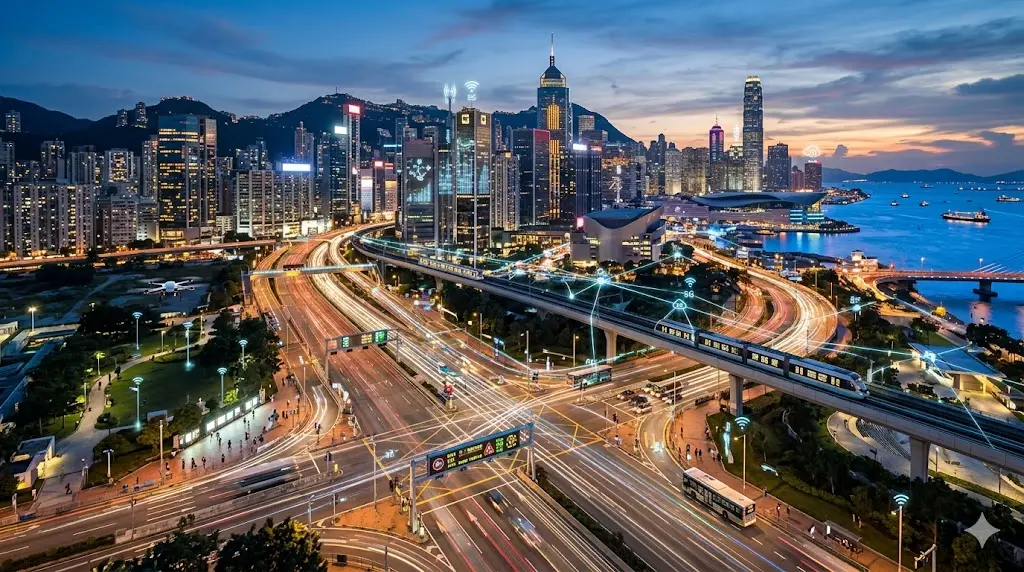
Smart cities are becoming a core part of the digital economy because they connect technology, infrastructure, and public services in ways that improve daily life and business efficiency. As governments and companies rely more on data, automation, and connected systems, smart cities help reduce waste, speed up services, and create stronger economic opportunities.
Smart cities use connected technology, data systems, and digital infrastructure to improve transportation, energy use, public safety, healthcare, and business operations. In 2026, they’re becoming essential because digital economies depend on fast connectivity, efficient resource management, and real-time decision-making.
Why Smart Cities Is Becoming Essential in the Digital Economy is a question more businesses, governments, and even everyday residents are asking in 2026. Cities are growing fast. Traffic is worse in many regions, energy costs keep rising, and public services are under pressure. Smart city technology offers a practical answer to these problems by combining digital infrastructure with real-world urban management.
Here’s the thing. Smart cities aren’t just about fancy sensors or futuristic buildings. They’re really about making cities work better for people and businesses. From AI-powered traffic systems to digital payment infrastructure and connected healthcare services, smart cities are quietly shaping how economies operate.
In my experience, the cities that invest early in digital infrastructure usually attract more startups, investors, and skilled workers. That pattern keeps repeating itself almost everywhere.
What Is Smart Cities?
Smart Cities: Urban areas that use digital technology, connected devices, data analytics, and automation to improve public services, infrastructure, efficiency, and quality of life.
A smart city combines technology with city planning. That sounds simple enough, but the impact is huge. Sensors monitor traffic flow. Digital systems reduce electricity waste. Public transportation becomes more reliable because data predicts demand before problems happen.
What most people overlook is that smart cities are not just government projects. Private companies, telecom providers, logistics firms, and software businesses all play a role.
For example, smart transportation systems can reduce congestion by analyzing traffic patterns in real time. Smart energy grids help cities avoid unnecessary power usage during peak hours. Digital public services also make licensing, tax filing, and healthcare access faster for residents and businesses alike.
Secondary technologies tied closely to smart cities include:
Internet of Things infrastructure
urban digital transformation
smart infrastructure solutions
These systems work together to create a more connected economic environment.
Expert Tip
Cities that prioritize open digital infrastructure usually scale faster than cities locked into outdated legacy systems. Flexibility matters more than having the newest technology.
Why Smart Cities Matters in 2026
The relationship between smart cities and the digital economy is getting stronger every year. Businesses now depend on reliable connectivity, fast logistics, data-driven operations, and digital payment systems. Smart cities provide the foundation for all of that.
In 2026, remote work, e-commerce, AI-driven logistics, and digital financial services are no longer optional industries. They’re central to economic growth.
Let me be direct. A city with poor connectivity and outdated infrastructure struggles to compete globally. Investors notice that pretty quickly.
Take a realistic example. Imagine two manufacturing hubs. One uses connected logistics systems that track shipments instantly and optimize fuel usage. The other relies on outdated manual processes. The smart city environment lowers delays, reduces operating costs, and improves customer satisfaction. Businesses naturally move toward efficiency.
That’s why governments across the world are investing in:
Smart transportation networks
Digital public infrastructure
Renewable energy integration
Intelligent security systems
Connected healthcare systems
A surprising point here is that smart cities can actually help smaller businesses more than large corporations. Big companies already have resources to solve operational inefficiencies internally. Smaller businesses depend heavily on efficient public systems to stay competitive.
I’ve seen local startups grow faster simply because they operated in cities with better digital infrastructure and smoother public services.
How to Build Smart City Readiness — Step by Step
Building a smart city isn’t just about installing technology everywhere. Cities need strategy first.
1. Improve Digital Connectivity
Reliable internet infrastructure is the backbone of every smart city initiative. Without stable connectivity, even advanced systems fail.
Cities need:
High-speed broadband
Public Wi-Fi access
Secure cloud infrastructure
Scalable mobile networks
Digital economies depend on uninterrupted access to information.
2. Use Real-Time Data Systems
Smart cities collect and analyze real-time information from transportation, utilities, healthcare, and public services.
For instance:
Traffic sensors reduce congestion
Energy systems predict power demand
Public safety systems detect unusual activity quickly
This creates faster decision-making and lower operational waste.
3. Invest in Smart Infrastructure Solutions
Infrastructure matters more than flashy technology announcements.
Smart infrastructure includes:
Intelligent traffic signals
Smart parking systems
Digital utility monitoring
Automated waste management
These improvements may sound small individually, but together they dramatically improve urban efficiency.
4. Encourage Public and Private Collaboration
Governments can’t build digital economies alone. Technology companies, telecom providers, urban planners, and local businesses all need to collaborate.
Some of the strongest smart city projects happen when private innovation meets public planning.
5. Focus on Cybersecurity
Here’s where many cities make mistakes. They rush into digital systems without protecting data properly.
A connected city without cybersecurity becomes vulnerable very quickly. Public trust matters. If citizens don’t trust digital systems, adoption slows down.
Expert Tip
Start with transportation and energy systems first. Those two areas usually produce the fastest visible improvements and strongest economic returns.
The Biggest Misconception About Smart Cities
Smart Cities Aren’t Only About Technology
People often assume smart cities are mainly about AI, sensors, or futuristic architecture. Honestly, that’s only part of the story.
The real goal is efficiency.
A city doesn’t become “smart” because it installs thousands of cameras or launches a flashy mobile app. It becomes smart when daily life improves for residents and businesses.
Sometimes the simplest changes create the biggest impact:
Faster permit approvals
Better traffic timing
Reduced power outages
Easier digital payments
More efficient public transportation
One city might spend millions on advanced tech but still frustrate businesses with outdated bureaucracy. Another city with simpler systems might outperform it economically because services actually work smoothly.
That’s the counterintuitive part most guides miss.
How Smart Cities Support Economic Growth
Smart cities create stronger economic ecosystems because they reduce friction in everyday operations.
Businesses save time. Residents save money. Governments operate more efficiently.
Here are several ways smart cities support the digital economy:
Better Business Productivity
Efficient infrastructure reduces delays in transportation, communication, and logistics. Companies operate faster when systems are connected.
Increased Investment Opportunities
Investors prefer regions with modern infrastructure and reliable digital services. Smart cities often attract:
Technology startups
Fintech companies
Logistics firms
Remote workforce hubs
Lower Environmental Costs
Smart energy systems reduce unnecessary consumption. Cities save money while supporting sustainability goals.
Improved Workforce Mobility
Connected transportation systems make commuting easier. Employees spend less time stuck in traffic and more time working productively.
Enhanced Public Services
Digital healthcare systems, online government services, and connected emergency response networks improve quality of life.
And honestly, happier residents usually contribute more effectively to local economies.
Real-World Example of Smart City Impact
A mid-sized urban region implementing AI-based traffic control reduced average commute times by nearly 20 percent within two years. Local delivery businesses reported lower fuel costs and faster shipping times. Small retailers also benefited because customers could move around the city more easily.
Another realistic example involves digital utility monitoring. A city upgraded its water management system using connected sensors. Leaks were identified earlier, reducing water waste and lowering infrastructure repair costs. Businesses operating in that area experienced fewer service interruptions.
These aren’t futuristic science fiction stories anymore. They’re practical operational improvements.
Expert Tip
Smart city projects succeed faster when residents actually understand the benefits. Public communication matters almost as much as the technology itself.
What Actually Works in Smart City Development
In my opinion, cities often overcomplicate digital transformation.
The smartest projects usually focus on solving everyday frustrations first instead of chasing headlines.
For example:
Fixing unreliable public transport
Digitizing government paperwork
Improving internet coverage
Reducing utility inefficiencies
Those practical improvements create trust and momentum.
I also think too many cities copy trends without considering local needs. A coastal city, a manufacturing hub, and a tourism-focused city all require different smart infrastructure priorities.
One-size-fits-all planning rarely works well.
Here’s another unpopular opinion. Expensive technology alone doesn’t guarantee progress. Good leadership and consistent maintenance matter just as much.
People Most Asked About Smart Cities
What makes a city “smart”?
A smart city uses connected digital systems and data-driven infrastructure to improve transportation, utilities, healthcare, public services, and overall efficiency. The goal is better living conditions and stronger economic performance.
Why are smart cities important for the digital economy?
Digital economies rely on connectivity, fast services, automation, and real-time information. Smart cities provide the infrastructure businesses and consumers need to operate efficiently.
Are smart cities expensive to build?
They can require significant investment initially, but many smart systems reduce long-term operational costs. Energy savings, traffic optimization, and digital public services often produce measurable economic returns over time.
Do smart cities improve sustainability?
Yes, in most cases. Smart energy grids, connected transportation systems, and automated resource management can reduce waste, lower emissions, and improve environmental efficiency.
What industries benefit most from smart cities?
Technology companies, logistics providers, healthcare organizations, retail businesses, transportation services, and digital finance companies often benefit heavily from smart city infrastructure.
Are smart cities only for large countries?
Not at all. Smaller cities can sometimes adapt faster because they have fewer legacy systems to replace. Many mid-sized cities are becoming leaders in urban digital transformation.
Can smart cities create jobs?
Yes. Smart city development creates demand for IT professionals, infrastructure specialists, cybersecurity experts, data analysts, and urban planners. It also attracts businesses that generate additional employment.
Final Thoughts
Why Smart Cities Is Becoming Essential in the Digital Economy comes down to one simple reality: modern economies depend on efficient digital infrastructure. Cities that improve connectivity, automate critical services, and support data-driven systems are positioning themselves for long-term economic growth.
The interesting part is that smart cities don’t need to feel futuristic to be effective. Sometimes the biggest wins come from fixing ordinary problems with smarter systems. Faster transport, reliable connectivity, efficient utilities, and digital public services might not sound flashy, but they shape how businesses grow and how people live every single day.
Businesses, governments, and communities that understand this shift early will probably adapt far better than those waiting for change to slow down.
Businesses and agencies looking to improve brand visibility and organic traffic can benefit from professional digital marketing services through Web InfoMatrix alongside high authority backlinks and SEO ranking opportunities from PR Wires. Their combined expertise in press release distribution services, link building services, and online press release distribution helps startups and SEO professionals gain stronger media coverage, instant publishing exposure, and measurable search growth.