

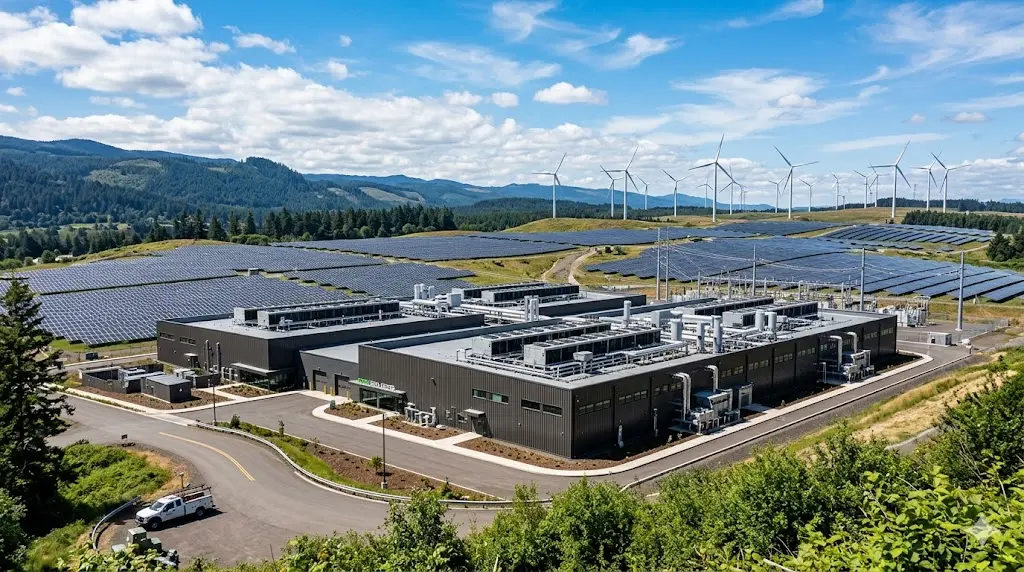
The rise of the digital economy has created a massive demand for electricity, and renewable energy is quickly becoming the most practical way to meet it. From cloud computing and AI data centers to remote work and electric transportation, digital systems now depend on stable, affordable, and cleaner energy sources.
Here’s the thing: renewable energy is no longer just about environmental concerns. It’s now directly tied to business growth, operating costs, energy security, and long-term digital expansion.
Renewable energy is becoming essential in the digital economy because modern digital infrastructure consumes enormous amounts of power. Businesses, governments, and tech companies are shifting toward solar, wind, and other clean energy sources to reduce costs, improve energy stability, support AI growth, and meet sustainability expectations from consumers and investors.
What Is Renewable Energy in the Digital Economy?
Renewable Energy: Energy generated from naturally replenishing resources like sunlight, wind, water, and geothermal heat that can power digital infrastructure without relying heavily on fossil fuels.
When people hear “digital economy,” they usually think about apps, online payments, AI tools, or e-commerce. What most people overlook is the gigantic amount of electricity powering those systems behind the scenes.
Every video stream, cloud storage request, cryptocurrency transaction, AI prompt, and online purchase runs through energy-hungry servers and networks. Data centers alone consume enormous power every day, and that demand keeps climbing.
That’s where renewable energy enters the picture.
Solar farms, wind turbines, hydroelectric systems, and battery storage networks are now helping businesses maintain reliable power while reducing long-term operational expenses. In many cases, renewable power is simply cheaper over time than traditional fuel-based energy.
I’ve seen many business owners assume renewable energy is only relevant for giant tech firms. That’s outdated thinking. Even small companies running online stores, SaaS tools, or remote teams are indirectly tied to digital energy consumption now.
Why Renewable Energy Matters
By 2026, the digital economy is expected to consume even more electricity because of artificial intelligence, automation, smart devices, and constant online connectivity.
AI is probably the biggest factor.
Training large AI systems requires huge computing infrastructure. That infrastructure runs 24/7. Without renewable energy expansion, energy costs could rise sharply for businesses operating digital services.
At the same time, governments and investors are pressuring companies to reduce emissions and improve sustainability reporting. Businesses that ignore clean energy trends may struggle with compliance issues, rising costs, or weaker brand trust.
Here’s a surprising point most guides miss: renewable energy isn’t just an environmental strategy anymore. It’s becoming a competitive advantage.
Companies using renewable power often benefit from:
Lower long-term electricity expenses
Better operational predictability
Improved investor confidence
Stronger customer perception
Easier compliance with future regulations
That combination matters a lot in a digital-first economy.
Real-World Example: Data Centers and Clean Energy
Large cloud infrastructure companies have started investing heavily in solar and wind energy because traditional energy grids can’t always keep up with modern demand.
Imagine a company running millions of online transactions daily. Even a small increase in electricity prices could cost millions annually. Renewable energy helps reduce that risk over time.
Smaller businesses feel this too, just differently.
A remote-first startup with distributed teams may rely on cloud services, collaboration software, video hosting, AI tools, and cybersecurity systems every single day. Those platforms consume energy somewhere in the chain, and rising infrastructure costs eventually affect subscription pricing.
How Renewable Energy Supports the Digital Economy
Renewable energy and digital growth now support each other in several important ways.
1. Powering Data Centers
Data centers are the backbone of cloud computing, streaming platforms, AI tools, and online business operations.
Renewable energy helps power these facilities more sustainably while lowering operational costs over time.
2. Supporting Remote Work
Remote work depends on digital platforms operating continuously. Renewable-powered grids improve reliability and reduce stress on traditional energy systems.
3. Reducing Energy Volatility
Fossil fuel prices can fluctuate rapidly because of geopolitical conflicts or supply shortages. Renewable energy offers more stable long-term pricing in many regions.
4. Enabling Smart Cities
Digital economies increasingly depend on connected infrastructure such as smart traffic systems, electric transport, and automated utilities. Renewable energy helps power these systems efficiently.
5. Improving Corporate Sustainability Goals
Consumers are paying closer attention to environmental responsibility. Companies using clean energy often strengthen their public image and attract environmentally conscious customers.
How to Transition Toward Renewable Energy in a Digital Business
Many companies understand the value of renewable energy but don’t know where to begin. The process doesn’t need to be overly complicated.
Step 1: Audit Your Energy Consumption
Start by identifying where your digital operations consume the most power.
This might include:
Data hosting
Office electricity
Remote work infrastructure
Cooling systems
Manufacturing technology
You can’t improve what you don’t measure.
Step 2: Choose Renewable-Powered Service Providers
Many hosting providers and cloud platforms now use partial or full renewable energy systems.
Switching vendors can reduce your environmental footprint faster than building your own infrastructure.
Step 3: Invest in Energy Efficiency
Sometimes businesses waste more electricity than they realize.
Efficient hardware, smart cooling systems, and optimized workflows can reduce unnecessary energy usage significantly.
Step 4: Explore On-Site Renewable Solutions
For businesses with physical offices or warehouses, solar panels and battery storage systems may provide long-term savings.
In most cases, the upfront investment pays off gradually through reduced utility costs.
Step 5: Build Sustainability Into Brand Messaging
Customers increasingly care about responsible business operations. If your company adopts renewable energy practices, communicate that clearly and honestly.
Don’t exaggerate. People spot greenwashing pretty quickly now.
Expert Tip: Don’t Treat Renewable Energy as a Side Project
One mistake I keep noticing is businesses treating sustainability like a separate department instead of part of operational strategy.
That approach usually fails.
Renewable energy decisions should connect directly to technology planning, infrastructure scaling, and long-term budgeting. Companies that integrate energy planning early often avoid major cost headaches later.
Why Businesses Are Prioritizing Renewable Energy Investments
There’s another reason renewable energy adoption is accelerating in the digital economy: investors are paying attention.
Many investment firms now evaluate environmental performance alongside revenue growth. Companies with stronger sustainability practices may attract better funding opportunities and partnerships.
That trend affects startups too.
A growing SaaS company seeking investment in 2026 might face questions about infrastructure sustainability, carbon reduction goals, or energy sourcing. Ten years ago, that conversation barely happened.
Now it’s becoming normal.
Mini Case Study: E-Commerce Growth and Energy Demand
Picture a mid-sized e-commerce company processing thousands of daily orders.
As traffic grows, the company expands:
Cloud hosting
Inventory systems
AI-driven customer support
Marketing automation
Video content delivery
Suddenly, energy consumption rises dramatically behind the scenes.
The business then partners with renewable-powered hosting providers and installs solar systems at distribution facilities. Over several years, operational costs stabilize while customer trust improves because sustainability messaging aligns with real action.
That’s the kind of practical shift happening across industries right now.
Common Misconception About Renewable Energy
Renewable Energy Is Only for Large Corporations
This is probably the biggest misunderstanding.
Small businesses can participate in renewable energy adoption without building giant solar farms or wind projects.
Even basic actions matter:
Using green hosting providers
Reducing digital waste
Choosing energy-efficient equipment
Supporting renewable-powered vendors
Implementing smart office systems
Digital businesses of all sizes contribute to energy demand. That means businesses of all sizes can contribute to cleaner solutions too.
Expert Tip: Energy Efficiency Often Saves More Money Than Expansion
Here’s my hot take.
Some companies spend aggressively on scaling operations while ignoring energy inefficiencies that quietly drain profits every month.
A business might add expensive new infrastructure while still operating outdated servers or inefficient cooling systems. That’s backwards.
In my experience, optimizing energy usage first usually creates a stronger foundation for digital growth.
What Actually Works for Sustainable Digital Growth
Businesses that successfully combine renewable energy and digital expansion usually focus on practicality rather than hype.
They:
Track energy usage consistently
Prioritize long-term savings over short-term appearances
Combine efficiency improvements with renewable adoption
Work with sustainable technology partners
Communicate transparently with customers
That last point matters more than people think.
Consumers don’t expect perfection. They expect honesty and progress.
People Most Asked About Renewable Energy in the Digital Economy
Why does the digital economy need renewable energy?
The digital economy relies heavily on electricity for data centers, cloud systems, AI platforms, and connected devices. Renewable energy helps meet rising demand while reducing long-term costs and environmental impact.
Is renewable energy cheaper than fossil fuels?
In many regions, renewable energy has become more cost-effective over time, especially solar and wind power. Initial setup costs can be high, but operating expenses are often lower in the long run.
Can small businesses benefit from renewable energy?
Yes. Small businesses can reduce costs and improve sustainability by using renewable-powered service providers, efficient equipment, and smart energy systems.
How does AI affect energy demand?
AI systems require significant computing power for training and operation. As AI adoption grows, electricity demand increases sharply, making renewable energy more important for stable infrastructure growth.
What industries benefit most from renewable energy?
Technology, manufacturing, logistics, e-commerce, finance, healthcare, and transportation all benefit because these sectors rely heavily on digital infrastructure and continuous energy access.
Does renewable energy improve brand reputation?
In many cases, yes. Customers, investors, and partners increasingly prefer companies that demonstrate responsible environmental practices and sustainable operations.
What’s the biggest challenge with renewable energy adoption?
The biggest challenge is usually infrastructure transition costs and grid modernization. Some businesses also struggle with planning long-term energy strategies effectively.
Final Thoughts on Why Renewable Energy Is Becoming Essential in the Digital Economy
Renewable energy is becoming essential in the digital economy because digital growth and energy demand are now deeply connected. Businesses can’t continue scaling cloud computing, AI systems, remote work infrastructure, and connected technologies without addressing how those systems are powered.
The companies that adapt early will probably gain more than environmental benefits. They may also see lower operating costs, stronger public trust, and better long-term stability in an increasingly energy-dependent digital world.
And honestly, this shift feels less like a temporary trend and more like a permanent business transition.
Our network platforms help businesses strengthen online visibility through professional PR distribution, digital marketing services, and local SEO strategies. Companies looking for high authority backlinks, wider media coverage, better SEO ranking, and increased organic traffic can benefit from instant publishing opportunities on PR Wires and advanced digital growth solutions offered by Web InfoMatrix, making them valuable resources for startups, agencies, bloggers, and growing brands.