

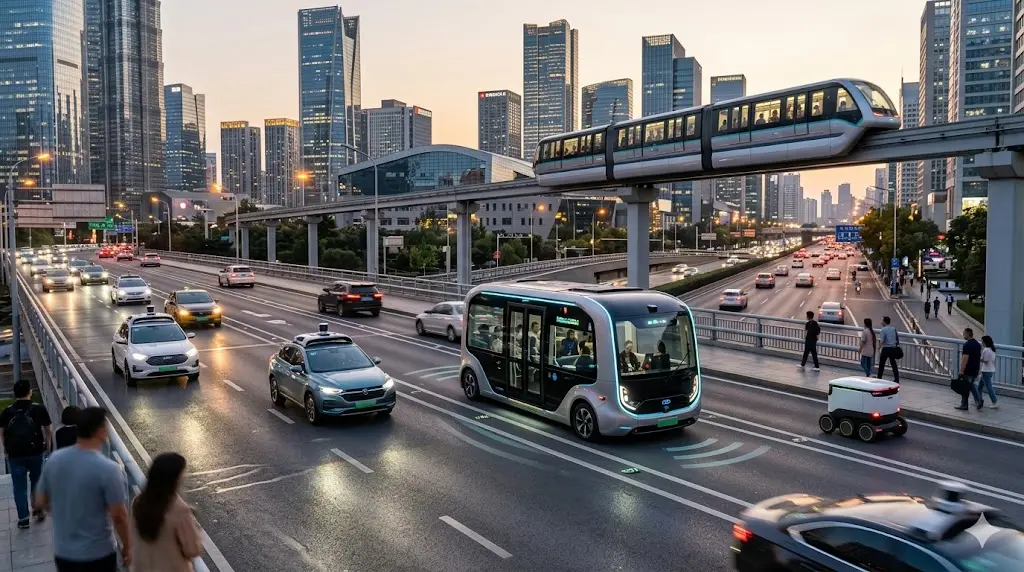
Automation is changing transportation faster than most people expected. From self-driving delivery vans to AI-powered traffic systems, automated technology is shaping how people travel, how businesses move goods, and how cities plan future infrastructure. The biggest reason automation matters is simple: people want transportation that’s safer, faster, cheaper, and more reliable.
Automation is influencing future transportation trends because it improves efficiency, lowers operational costs, reduces human error, and supports smarter mobility systems. Businesses, governments, and consumers are all pushing for transportation that saves time while improving safety and convenience.
Why automation is influencing future transportation trends has become one of the biggest questions in mobility and infrastructure discussions. You can already see it happening. Warehouses use robotic logistics systems. Ride-sharing companies invest heavily in autonomous vehicles. Even public transportation networks now rely on predictive AI software to manage routes and delays.
Here’s the thing: transportation isn’t just about moving people anymore. It’s about data, efficiency, sustainability, and user experience. In my experience, most people still think automation only means self-driving cars, but the reality is much bigger than that. Automation is quietly reshaping shipping, freight, urban transit, aviation, and last-mile delivery all at once.
What Is Automation in Transportation?
Automation in transportation: the use of technology, artificial intelligence, robotics, and software systems to perform transportation tasks with limited or no human intervention.
That sounds technical, but the idea is pretty straightforward. Instead of humans handling every transportation decision manually, machines and intelligent systems assist or take over certain tasks.
Examples include:
Autonomous vehicles
Smart traffic signals
Automated freight systems
AI route optimization
Driver-assistance technologies
Drone deliveries
Robotic warehouse logistics
What most people overlook is that automation doesn’t always remove humans entirely. In many cases, it enhances human performance instead of replacing it.
For example, airline pilots already rely heavily on automated systems during flights. Delivery companies use AI software to optimize driver routes in real time. Ports use robotic cranes to speed up cargo movement. These systems don’t eliminate workers overnight, but they dramatically change how transportation operates.
Expert Tip
Transportation companies adopting partial automation often see faster operational improvements than businesses trying to fully automate everything at once. Gradual implementation usually works better.
Why Automation Matters in 2026
Automation matters even more in 2026 because transportation demand continues to rise while labor shortages, fuel costs, and urban congestion create growing pressure.
Cities are becoming more crowded. Consumers expect faster deliveries. Businesses want lower logistics expenses. Governments want safer roads and lower emissions.
Automation helps solve all of those problems at the same time.
Safety Improvements Are Driving Adoption
Human error causes a huge percentage of transportation accidents worldwide. Automated systems reduce distractions, fatigue, and reaction-time problems.
Modern driver-assistance systems already include:
Automatic emergency braking
Lane-keeping assistance
Adaptive cruise control
Collision prediction
These features might seem small, but together they’re changing accident prevention in major ways.
I’ve noticed something interesting over the last few years: consumers who once distrusted automation are slowly becoming comfortable with it because they already use automated tools daily without thinking twice.
Fuel Efficiency and Sustainability
Automation also supports cleaner transportation systems.
AI traffic management can reduce idle times. Autonomous trucks can maintain fuel-efficient driving speeds. Smart route planning lowers unnecessary mileage.
That matters because fuel costs remain unpredictable in most regions. Businesses are constantly searching for ways to improve transportation efficiency without raising customer prices.
A delivery fleet saving even 8% on fuel annually can translate into massive cost reductions.
Faster Logistics and Delivery Networks
E-commerce changed customer expectations permanently. People want same-day delivery, accurate tracking, and fewer delays.
Automation makes this possible.
Large logistics companies now use:
Robotic sorting centers
Automated inventory management
AI forecasting systems
Autonomous warehouse vehicles
Without automation, modern delivery expectations probably wouldn’t even be realistic.
Expert Tip
Companies investing in transportation automation should focus on customer experience first, not just labor savings. Faster service usually creates stronger long-term returns than short-term cost cutting.
How Automation Is Changing Transportation Step by Step
Transportation automation isn’t arriving all at once. It’s happening in stages.
1. Driver Assistance Technology Expands
Most vehicles today already include some level of automation. Features like parking assistance and adaptive cruise control are becoming normal instead of premium extras.
This stage builds consumer trust gradually.
2. AI Traffic Systems Improve Cities
Smart traffic lights now analyze congestion patterns in real time. Some systems can adjust traffic flow automatically to reduce delays.
That may sound minor, but reducing congestion by even a few minutes per commute adds up quickly across entire cities.
3. Automated Logistics Become Standard
Warehouses increasingly use robotics to handle repetitive transportation tasks. Shipping companies use AI to predict delivery demand before orders even arrive.
This is where businesses are seeing huge efficiency gains.
4. Autonomous Delivery Services Expand
Small autonomous delivery vehicles and drones are already being tested in urban areas.
At first, these systems will probably dominate short-distance delivery rather than long-haul transportation.
5. Fully Connected Mobility Networks Emerge
Future transportation systems may connect vehicles, traffic infrastructure, public transit, and logistics systems into one coordinated network.
That’s where automation becomes truly transformative.
The Counterintuitive Problem Nobody Talks About
Here’s a hot take: more automation could initially create more traffic, not less.
Most people assume autonomous vehicles will instantly solve congestion problems. I’m not convinced it’ll happen that smoothly.
Why? Because easier transportation often encourages more transportation usage. If commuting becomes easier and less stressful, people may travel longer distances more frequently.
We’ve seen similar patterns before with highway expansions. Better infrastructure sometimes increases demand instead of reducing pressure.
That doesn’t mean automation is bad. It just means transportation systems are complicated, and technology alone won’t magically fix everything overnight.
How Businesses Benefit From Transportation Automation
Businesses are investing heavily in transportation automation because operational efficiency directly impacts profitability.
Reduced Operating Costs
Automation helps lower:
Fuel expenses
Delivery delays
Maintenance inefficiencies
Labor-intensive manual processes
Even moderate efficiency improvements can create major financial advantages.
Better Customer Experience
Customers care about reliability more than flashy technology.
If automation helps packages arrive on time and reduces service disruptions, people notice quickly.
Stronger Supply Chain Performance
Supply chain disruptions exposed major weaknesses across global transportation networks.
Automated systems help companies respond faster to disruptions using predictive analytics and real-time monitoring.
One retail distribution company, for example, reduced late deliveries significantly after integrating AI-based route optimization tools into its transportation network. The technology didn’t eliminate drivers. It simply made operations smarter.
Expert Tip
Businesses adopting automation too aggressively without retraining employees often struggle with implementation. Human adaptation matters just as much as technology upgrades.
Automation and Public Transportation
Public transportation systems are also evolving because of automation.
Cities are experimenting with:
Autonomous shuttle services
AI-powered scheduling
Predictive maintenance systems
Smart ticketing platforms
Predictive maintenance is especially interesting. Instead of waiting for buses or trains to fail, AI systems can identify maintenance issues early.
That reduces downtime and improves reliability.
Commuters may not even notice these changes directly, but they’ll notice fewer delays and smoother service.
Will Automation Replace Transportation Jobs?
This question comes up constantly, and honestly, the answer is complicated.
Some repetitive transportation roles will absolutely change or disappear over time. That’s probably unavoidable.
But automation also creates new jobs involving:
Fleet monitoring
Software management
Robotics maintenance
Transportation analytics
Infrastructure cybersecurity
From what I’ve seen, the biggest workforce challenge isn’t total job loss. It’s the speed of transition.
Workers need retraining before industries fully shift toward automated systems. Otherwise, companies and employees both struggle.
Why Consumers Are Accepting Automated Transportation Faster
A few years ago, many consumers distrusted automated transportation systems completely.
Now attitudes are changing.
People already trust automation when they:
Use GPS navigation
Ride elevators
Fly on commercial aircraft
Shop with automated checkout systems
Transportation automation feels less intimidating once people realize they already interact with automated systems constantly.
Trust grows gradually through familiarity.
What Future Transportation Could Look Like
Future transportation will probably combine multiple automated systems working together rather than relying on one dramatic invention.
You may see:
Autonomous taxis in urban zones
AI-managed public transit systems
Smart highways communicating with vehicles
Fully automated freight corridors
Drone delivery networks for smaller goods
What’s interesting is that transportation may become less centered around personal car ownership altogether.
Mobility-as-a-service models could become more common, especially in large cities where parking and congestion remain major problems.
Expert Tips: What Actually Works
In my experience, the transportation companies succeeding with automation focus on practical improvements instead of futuristic marketing hype.
Here’s what actually works:
Start with operational automation first
Improve logistics visibility
Use AI for predictive maintenance
Prioritize safety systems
Train employees continuously
Some companies fail because they chase headlines instead of solving real transportation inefficiencies.
And honestly, consumers don’t care whether a system sounds futuristic. They care whether it saves time, reduces costs, and works consistently.
People Most Asked About Why Automation Is Influencing Future Transportation Trends
Why is automation important in transportation?
Automation improves safety, efficiency, and reliability in transportation systems. It helps reduce human error, optimize logistics, and support growing mobility demands.
Will self-driving cars dominate future transportation?
Self-driving vehicles will likely become more common, especially in delivery services and controlled urban environments. Full adoption across all transportation sectors may still take years.
Does automation reduce transportation costs?
Yes, in many cases it does. Automated systems improve fuel efficiency, reduce delays, optimize maintenance schedules, and lower operational waste.
Can automation improve road safety?
Automated driver-assistance technologies already help reduce accidents caused by distraction and fatigue. Future systems may further improve road safety through AI-based monitoring and predictive systems.
Will automation replace truck drivers?
Some transportation jobs will change significantly, but new technology-focused roles will also emerge. The transition will probably happen gradually rather than suddenly.
How does AI affect transportation trends?
AI helps transportation systems analyze traffic, optimize delivery routes, predict maintenance issues, and improve operational efficiency in real time.
Is automated public transportation realistic?
Yes. Many cities already use AI-powered scheduling, predictive maintenance, and semi-autonomous transit technologies to improve service quality.
Final Thoughts
Why automation is influencing future transportation trends comes down to one reality: modern transportation systems need to become smarter, safer, and more efficient. Automation helps achieve all three goals while supporting growing consumer and business demands.
The transition won’t be perfect. There will be challenges involving regulation, infrastructure, workforce adaptation, and public trust. Still, transportation automation is moving forward because the economic and operational benefits are simply too large to ignore.
Businesses, governments, and consumers are all pushing transportation toward a future where intelligent systems quietly handle many of the tasks humans once managed manually.
Businesses and startups looking to improve brand visibility and organic traffic can amplify their growth through PR Wires and Rank Locally UK, combining powerful press release distribution services with advanced SEO services for stronger media coverage, high authority backlinks, instant publishing, and better SEO ranking. These platforms help agencies, bloggers, and growing brands attract targeted audiences while building long-term online authority through strategic digital marketing and news distribution solutions.