

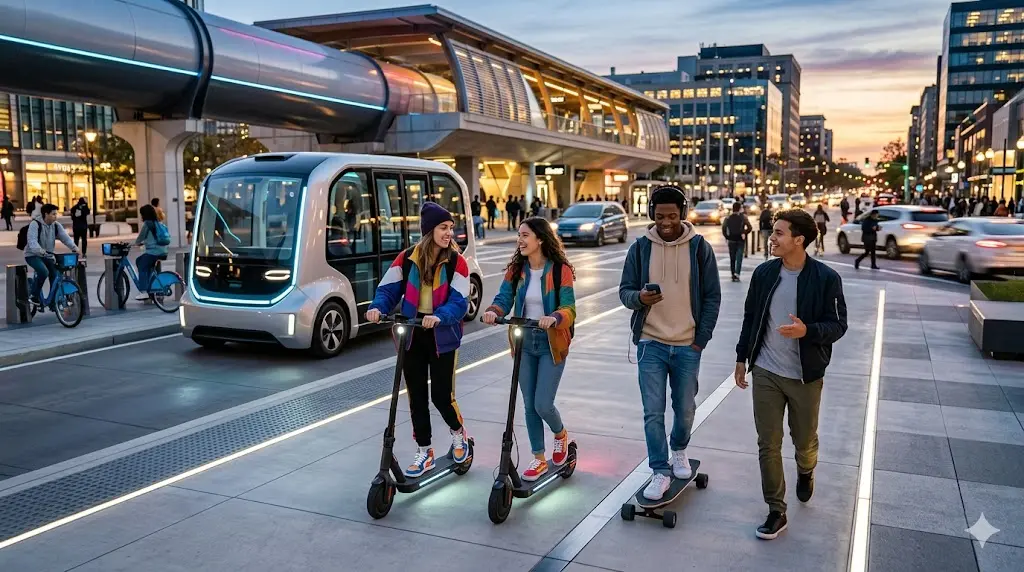
Young people are reshaping how the world thinks about transportation. From electric scooters and ride-sharing apps to subscription-based car access and eco-friendly travel habits, youth culture is driving transportation trends faster than many governments and automakers expected.
What’s changing isn’t just the vehicles people use. It’s the mindset behind mobility. Younger generations care less about ownership, more about convenience, digital integration, affordability, and sustainability. That shift is already influencing urban planning, automotive design, and the future of public transit.
Youth culture is influencing future transportation trends because younger consumers prefer flexible, tech-enabled, affordable, and sustainable mobility solutions over traditional car ownership. Their habits are accelerating demand for electric vehicles, shared mobility, smart transportation systems, and app-based transit experiences.
What Is Youth-Driven Transportation Change?
Youth-driven transportation change refers to the way younger generations influence how transportation systems evolve through their spending habits, lifestyle choices, digital behavior, and environmental values.
Definition Box:
Youth transportation trends mean the mobility preferences and travel behaviors of younger generations that shape future transportation systems, vehicle technology, and urban mobility policies.
Here’s the thing most people overlook: transportation trends no longer begin inside automotive boardrooms. They often begin on college campuses, in urban neighborhoods, on social media platforms, and inside mobile apps.
A 22-year-old today might choose an e-bike subscription over buying a car. Five years ago, that sounded temporary. Now it’s becoming normal in many cities.
That’s a massive cultural shift.
Why Youth Culture Is Influencing Future Transportation Trends in 2026
The transportation industry in 2026 looks very different from what it did even a decade ago. Younger consumers are pushing that change from several directions at once.
Digital-First Lifestyles Are Changing Mobility
Most younger consumers expect transportation to work like streaming services or food delivery apps. They want instant access, transparent pricing, app-based tracking, and frictionless payments.
Owning a vehicle feels less necessary when ride-sharing, bike-sharing, and rental subscriptions are available within seconds on a phone.
In my experience, this is where many older transportation companies got caught off guard. They kept focusing on horsepower and vehicle ownership while younger users focused on accessibility and convenience.
That mismatch changed the market.
Sustainability Is No Longer a Side Concern
Younger generations care deeply about climate-related issues, even if they don’t always agree on the solutions. That concern affects transportation choices directly.
Electric vehicles, public transportation upgrades, micro-mobility options, and walkable urban spaces are gaining traction because younger consumers actively support them.
What’s interesting is that many young buyers don’t see sustainability as a luxury feature anymore. They see it as basic expectation.
That changes product design priorities completely.
Car Ownership Is Losing Emotional Appeal
For decades, owning a car symbolized freedom and status. That emotional connection still exists, but it’s weaker among younger demographics in many urban areas.
A lot of young adults now value experiences more than possessions. Spending money on travel, flexible living, remote work setups, or digital lifestyles often feels more worthwhile than financing an expensive vehicle.
That doesn’t mean cars are disappearing. Far from it.
It means transportation habits are becoming more flexible and less ownership-focused.
Social Media Shapes Transportation Preferences
Transportation trends now spread online faster than traditional advertising campaigns.
One viral video showing compact electric vehicles in crowded cities can influence consumer behavior more effectively than a massive television campaign. Younger audiences discover mobility trends through creators, lifestyle content, and peer recommendations.
What most guides miss is how powerful aesthetic culture has become in transportation. Design, customization, and “shareability” now influence vehicle popularity almost as much as performance specs.
That sounds superficial at first. But it matters.
How Youth Culture Is Reshaping Transportation — Step by Step
1. Younger Consumers Prioritize Access Over Ownership
Subscription models, short-term rentals, and mobility memberships are becoming more attractive than long-term financing.
Many young consumers simply don’t want debt tied to transportation if flexible alternatives exist.
That pushes companies to rethink traditional sales models.
2. Demand for Micro-Mobility Continues Growing
Electric scooters, e-bikes, and compact urban mobility solutions are becoming common in dense cities.
These options appeal to younger users because they’re affordable, fast, and environmentally friendlier for short distances.
You’ll probably see even more integrated “mobility ecosystems” over the next few years where public transit, scooters, and rideshares work together inside one app.
3. Smart Technology Is Becoming Non-Negotiable
Younger generations expect transportation systems to include:
Real-time tracking
Mobile integration
Contactless payments
AI-powered navigation
Personalized travel experiences
A vehicle without smart connectivity increasingly feels outdated.
That’s a strange sentence to read if you grew up loving classic cars, but it’s true.
4. Urban Living Is Reducing Traditional Driving Habits
More young professionals are living in cities where owning a vehicle can actually feel inconvenient.
Parking costs, traffic congestion, insurance expenses, and fuel prices make alternative mobility options more attractive.
In many cases, public transportation combined with ride-sharing simply makes financial sense.
5. Transportation Is Becoming Community-Oriented
Younger consumers often support transportation systems that feel collective rather than individualistic.
Carpooling, shared electric mobility, community transit systems, and environmentally conscious commuting options align with broader cultural values around collaboration and sustainability.
Expert Tip
If you work in transportation, urban planning, or automotive marketing, stop assuming younger audiences want cheaper versions of older systems. They usually want entirely different experiences.
That distinction matters more than most companies realize.
The Counterintuitive Shift Nobody Expected
Here’s a hot take: younger generations may actually slow down excessive car production in some markets while still accelerating transportation innovation overall.
At first glance, that sounds contradictory.
But think about it.
If people use shared mobility systems more efficiently, transportation companies may focus less on producing massive quantities of vehicles and more on creating smarter mobility networks.
The future transportation economy might revolve around usage efficiency rather than ownership volume.
Honestly, I think that shift is already happening quietly.
Real-World Example: Urban Mobility Habits Are Changing Fast
Consider a hypothetical 24-year-old professional living in a major city.
Instead of purchasing a car, they might use:
Metro transit during weekdays
Ride-sharing apps at night
E-bike rentals for short commutes
Car subscriptions for weekend trips
That setup gives flexibility without maintenance costs, fuel expenses, or parking problems.
Ten years ago, many people would’ve viewed that lifestyle as temporary. Now it’s becoming a long-term transportation strategy.
Another Example: Why Electric Scooters Became Popular
A lot of transportation analysts initially dismissed electric scooters as short-term trends.
Then younger users embraced them for convenience and affordability.
Cities responded by redesigning streets, creating scooter parking systems, and adjusting mobility regulations.
That’s a perfect example of youth culture influencing infrastructure itself, not just consumer behavior.
What Transportation Companies Are Learning
Transportation brands are adapting because younger consumers reward flexibility and innovation quickly.
Automotive manufacturers are investing heavily in:
Electric mobility
Subscription access models
Smart dashboards
AI-powered driving systems
Sustainable production practices
Public transportation systems are evolving too.
Mobile ticketing, live route tracking, integrated payment systems, and user-centered design are becoming standard expectations.
In most cases, these changes aren’t happening because companies suddenly became visionary. They’re happening because younger audiences forced the market to evolve.
Expert Tip
Pay attention to transportation habits among teenagers and college students today. Their preferences usually predict where urban mobility moves next.
Industry forecasts matter. Cultural behavior matters more.
Why This Trend Matters Beyond Transportation
Transportation changes affect nearly every industry connected to modern life.
Housing development, city planning, tourism, retail, employment patterns, and environmental policy all shift when mobility behavior changes.
A city designed around younger mobility preferences may include:
More cycling lanes
Fewer parking structures
Expanded public transit
Mixed-use neighborhoods
EV charging infrastructure
That creates ripple effects throughout the economy.
And honestly, many cities are still playing catch-up.
Common Mistake: Assuming Young People Don’t Like Cars
A major misconception is that younger generations hate cars entirely.
That’s not really accurate.
Many young consumers still love performance vehicles, road trips, and driving experiences. The difference is that they often view transportation as situational rather than identity-defining.
They might enjoy driving without wanting the financial burden of ownership.
That’s a subtle but important distinction.
People Most Asked About Youth Culture and Transportation Trends
Why are younger generations avoiding traditional car ownership?
High living costs, urban lifestyles, environmental concerns, and digital convenience all play a role. Many younger consumers prefer flexible transportation options over long-term ownership expenses.
How does youth culture affect electric vehicle growth?
Younger consumers generally support environmentally conscious products and innovative technology. That increases demand for electric vehicles and sustainable transportation systems.
Will public transportation become more popular in the future?
Probably, especially in urban areas where congestion and parking costs continue rising. Younger generations tend to support connected public transit systems that integrate smoothly with digital tools.
Why are transportation apps so important to younger users?
Convenience matters. Younger consumers expect transportation to feel fast, mobile-friendly, and personalized. Apps simplify payments, navigation, scheduling, and accessibility.
Are ride-sharing services replacing private vehicles?
Not completely. But ride-sharing is reducing the need for full-time vehicle ownership in many cities, especially among younger demographics.
What role does social media play in transportation trends?
Social media influences brand perception, mobility trends, sustainability awareness, and consumer behavior. Younger audiences often discover transportation innovations through online content.
Will future cities be designed differently because of youth culture?
Yes. Many cities are already redesigning infrastructure around walkability, public transit, electric mobility, and shared transportation systems influenced by younger populations.
Final Thoughts on Why Youth Culture Is Influencing Future Transportation Trends
Youth culture is influencing future transportation trends because younger generations think differently about mobility, ownership, technology, and sustainability. They want transportation systems that are flexible, connected, affordable, and environmentally responsible.
That cultural shift is changing how vehicles are designed, how cities are planned, and how mobility businesses operate. Companies that understand these behavioral changes early will probably adapt faster than competitors still relying on outdated assumptions about transportation ownership.
The future of transportation won’t be shaped only by engineers or policymakers. It’ll also be shaped by the everyday habits of younger consumers deciding how they want to move through the world.
Promotional Paragraph:
Businesses and agencies looking to improve brand visibility and gain high authority backlinks can benefit from professional PR distribution services through Press Release Power while boosting SEO ranking and organic traffic with advanced digital marketing services from Web Info Matrix. Their solutions support instant publishing, stronger media coverage, and performance-focused online growth for startups, bloggers, and SEO professionals aiming to expand their digital reach.