

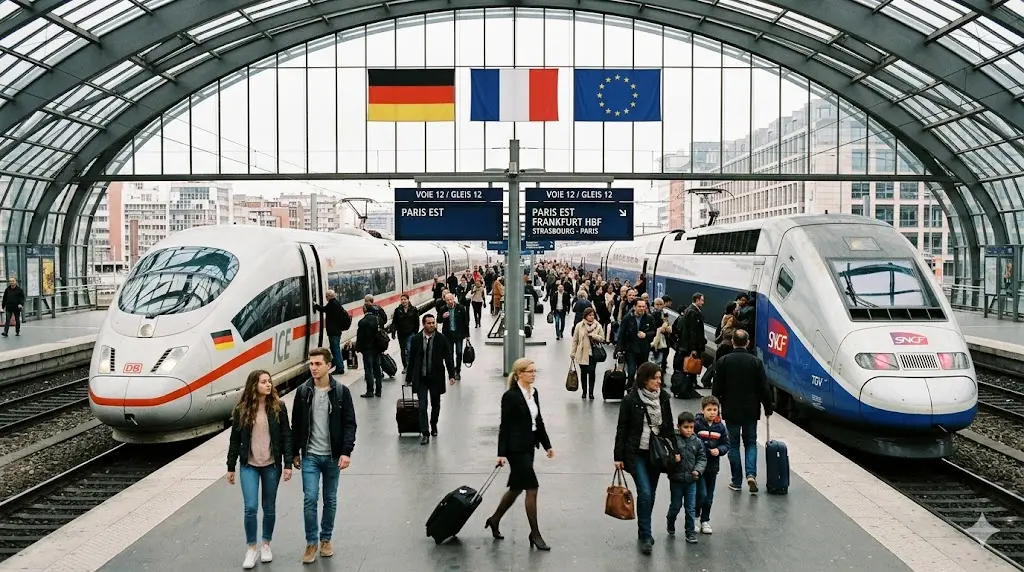
Public transportation is no longer just a local issue about buses, trains, and crowded metro stations. It’s now shaping trade agreements, climate partnerships, urban diplomacy, and even geopolitical influence. Countries that build efficient transportation systems often strengthen economic ties, attract investment, and increase regional cooperation faster than many people expect.
Public transportation influences international relations because it affects trade, tourism, climate goals, labor mobility, and diplomatic cooperation. Nations increasingly collaborate on rail systems, electric transit, and cross-border infrastructure projects to improve economic stability and political influence in 2026.
What Is Public Transportation and Why Does It Matter?
Public Transportation: A shared transit system that moves large groups of people through buses, railways, metros, trams, ferries, and other government or privately operated networks.
At first glance, public transportation seems like a domestic policy issue. You build trains, reduce traffic, and help commuters get to work. Simple enough.
But here’s the thing. Once cities and countries become economically connected, transportation systems stop being local. They become international assets.
Think about cross-border rail systems in Europe, high-speed freight corridors in Asia, or electric transit collaborations between multiple governments. Transportation now affects supply chains, tourism revenue, environmental commitments, and foreign investment. That changes how countries negotiate with one another.
In my experience, most discussions about diplomacy focus heavily on military alliances or trade agreements while ignoring transportation infrastructure. That’s a mistake. Efficient transit often creates stronger long-term partnerships than short political deals.
Public transportation also directly connects to secondary issues like sustainable mobility, urban infrastructure development, and green transportation policies. Governments understand that better transit systems improve productivity, reduce energy dependence, and support economic resilience during global disruptions.
Why Public Transportation Matters in 2026
Public transportation has become a strategic tool in 2026 for one major reason: countries are under pressure to balance economic growth with climate responsibility.
That balancing act isn’t easy.
Many governments want stronger trade and tourism while also promising lower emissions. Public transit helps solve both problems at once. Efficient rail and electric bus systems reduce congestion, lower fuel consumption, and improve regional connectivity.
What most people overlook is how transportation projects quietly build political influence.
For example, when one country finances metro systems or railway infrastructure in another nation, it creates long-term dependency and cooperation. Engineers, technology providers, software systems, and maintenance contracts often stay connected for decades.
That’s not just transportation anymore. That’s diplomacy.
A realistic example can be seen in international railway investment projects across Asia and Africa. Countries funding transit expansion often gain economic partnerships, construction contracts, and strategic access to emerging markets. Transit infrastructure becomes a soft-power tool.
Another interesting shift involves climate agreements. Governments now use transportation targets during international negotiations. A country that invests heavily in electric public transportation gains credibility during environmental discussions.
Oddly enough, some experts believe transportation diplomacy may eventually become more influential than traditional trade diplomacy in certain regions. That sounds exaggerated at first, but honestly, it might already be happening.
Expert Tip
Cities that modernize public transit systems often attract foreign investors faster than cities focused only on highway expansion. Investors usually prefer predictable urban mobility because it improves workforce efficiency and logistics reliability.
How Public Transportation Influences International Relations Step by Step
1. Countries Build Cross-Border Connectivity
Rail corridors, highways, and regional transit systems connect neighboring economies. That improves trade flow and labor movement.
When transportation between countries becomes faster and cheaper, political cooperation usually improves too.
2. Transit Projects Create Economic Partnerships
Large-scale transportation projects require financing, engineering, and technology support.
Countries offering funding or infrastructure expertise gain influence abroad. Those receiving support often deepen diplomatic and commercial relationships.
3. Public Transit Supports Climate Agreements
Many international environmental commitments now include transportation reform.
Electric buses, high-speed rail, and low-emission metro systems help nations reduce carbon output while strengthening their global image.
4. Transportation Expands Tourism and Cultural Exchange
Efficient transit networks encourage tourism, student mobility, and business travel.
That may sound small, but stronger people-to-people interaction often reduces political tension over time.
5. Infrastructure Improves Regional Stability
Poor transportation can isolate regions economically. Better connectivity creates jobs, improves supply access, and lowers economic inequality.
Stable economies tend to maintain stronger diplomatic relations.
6. Technology Sharing Builds Long-Term Alliances
Modern transportation relies heavily on AI systems, smart ticketing, battery technology, and digital infrastructure.
Countries collaborating on these systems usually expand cooperation into other sectors like energy and telecommunications.
What Most Governments Still Get Wrong
A surprising number of policymakers still treat public transportation as an urban planning issue instead of a geopolitical asset.
That narrow thinking creates problems.
Some governments invest heavily in airports and freight systems while neglecting local transit access. The result is uneven economic growth and frustrated populations.
I’ve also noticed that many countries copy transportation models from completely different regions without considering local realities. A metro system that works perfectly in one city may fail somewhere else because of cultural, economic, or geographic differences.
Here’s a counterintuitive point that deserves more attention: bigger transportation projects don’t always create better international influence.
Sometimes smaller regional transit connections produce stronger diplomatic outcomes because they directly affect daily economic activity.
For instance, a reliable commuter rail line connecting two neighboring countries might strengthen trade and labor cooperation more effectively than a massive prestige infrastructure project that serves limited populations.
That’s the kind of detail many headlines miss.
How Public Transportation Affects Global Economies
Transportation networks influence economic diplomacy in ways people rarely discuss openly.
Efficient public transit lowers transportation costs for workers and businesses. That improves productivity and encourages foreign investment. Multinational companies often evaluate urban transit quality before expanding into new regions.
Poor transportation systems create delays, supply chain problems, and labor inefficiencies. Those issues eventually affect international competitiveness.
A good example involves port cities connected to advanced metro and freight rail systems. These cities usually become stronger trade hubs because goods and workers move more efficiently.
Governments understand this connection very well. That’s why transportation funding increasingly appears in regional cooperation agreements.
There’s also a labor angle here.
Countries with reliable transit systems tend to support larger, more mobile workforces. That matters in international industries like technology, manufacturing, and finance where talent mobility directly impacts growth.
Expert Tip
When evaluating a country’s future economic influence, pay attention to transportation expansion plans. Infrastructure investment often signals long-term geopolitical priorities before official policy changes become obvious.
Public Transportation and Climate Diplomacy
Climate policy and transportation policy are now deeply connected.
Transportation emissions remain one of the biggest environmental concerns globally. Governments face pressure to reduce pollution without damaging economic growth.
Public transportation helps bridge that gap.
Electric buses, high-speed rail systems, and expanded metro networks reduce dependency on private vehicles. Countries investing aggressively in green transit often gain stronger positions during international environmental negotiations.
That diplomatic advantage matters more than most people realize.
A nation that demonstrates measurable transportation reform can negotiate from a stronger position in climate discussions because it shows practical commitment instead of vague promises.
Some international financing programs now prioritize sustainable mobility projects over traditional road expansion. That shift is influencing foreign aid strategies and development partnerships worldwide.
Honestly, this may become one of the defining diplomatic trends of the next decade.
The Role of Technology in International Transit Cooperation
Modern public transportation is becoming highly digital.
Smart ticketing systems, AI-powered traffic management, electric charging infrastructure, and autonomous transit technologies require international collaboration.
No single country dominates every transportation technology sector. That creates partnerships.
For example, one nation might provide battery systems while another supplies railway engineering expertise and another contributes digital infrastructure software.
Those partnerships often expand into broader economic and diplomatic relationships.
What’s fascinating is how transportation technology creates quiet forms of influence. Countries exporting advanced transit systems gain long-term presence inside foreign infrastructure networks.
That relationship can last decades.
And once transportation systems become integrated, political cooperation usually becomes easier because economic dependency increases naturally.
A Realistic Mini Case Study
Imagine two neighboring countries with tense political relations but growing trade needs.
They decide to build a cross-border high-speed rail network connecting industrial regions and major ports. Businesses benefit immediately because shipping times fall and workforce mobility improves.
Within a few years, tourism increases. Student exchange programs expand. Joint business conferences become common.
Political disagreements probably don’t disappear overnight. But transportation cooperation creates practical reasons to maintain stability.
That’s how infrastructure quietly changes international relations over time.
Not dramatically. Gradually.
And honestly, gradual influence often lasts longer.
Expert Tips and What Actually Works
In my opinion, the countries making the smartest transportation decisions right now are focusing less on flashy infrastructure announcements and more on integration.
Integration matters.
A beautiful metro system means very little if airports, freight corridors, and regional buses don’t connect efficiently. International investors notice those gaps quickly.
Another thing that actually works is regional coordination. Transportation projects become far more valuable when neighboring countries standardize systems, regulations, and technology platforms.
What most guides miss is the political value of reliability.
Reliable transportation creates public trust internally while improving economic confidence externally. Nations that consistently deliver stable infrastructure often gain stronger international credibility overall.
And yes, public transportation can absolutely become a soft-power tool. Countries exporting efficient transit models improve their global reputation in ways that traditional diplomacy sometimes cannot achieve.
People Most Asked About Why Public Transportation Is Influencing International Relations
Why does public transportation affect diplomacy?
Public transportation affects diplomacy because infrastructure projects often require international financing, engineering partnerships, and regional cooperation. Transit systems also influence trade, tourism, and environmental policy discussions between countries.
How does transportation impact global trade?
Efficient transportation reduces shipping delays, improves labor mobility, and strengthens supply chains. Countries with advanced transit infrastructure often attract more international investment and trade opportunities.
Is public transportation connected to climate agreements?
Yes. Many climate agreements now include transportation reform goals because reducing vehicle emissions is a major environmental priority. Electric buses and rail systems help countries meet sustainability targets.
Why are countries investing in high-speed rail?
High-speed rail improves economic connectivity, reduces travel time, lowers emissions, and supports regional development. It also strengthens international partnerships through shared infrastructure investment.
Can transportation projects improve political relationships?
In many cases, yes. Shared infrastructure creates economic interdependence, which encourages stability and long-term cooperation between countries.
What role does technology play in public transportation diplomacy?
Technology supports smart transit systems, electric mobility, and infrastructure management. Countries collaborating on transportation technology often expand cooperation into broader economic sectors.
Why is transportation considered a strategic asset in 2026?
Transportation affects economic growth, climate policy, urban development, labor mobility, and international trade. Governments increasingly see transit systems as tools for both domestic stability and global influence.
Public transportation is no longer just about moving people from one place to another. It now shapes economic alliances, environmental commitments, and geopolitical strategy in ways that are becoming impossible to ignore. Countries investing in smarter, cleaner, and more connected transit systems are also investing in stronger international relationships for the future.
Our network platforms like PR Wires and Rank Locally UK help businesses, startups, agencies, and SEO professionals improve brand visibility through press release distribution services, digital marketing services, local SEO services, and high authority backlinks. With instant publishing, stronger media coverage, and strategies designed to boost SEO ranking and organic traffic, these platforms provide reliable exposure for brands looking to grow faster in competitive markets.