

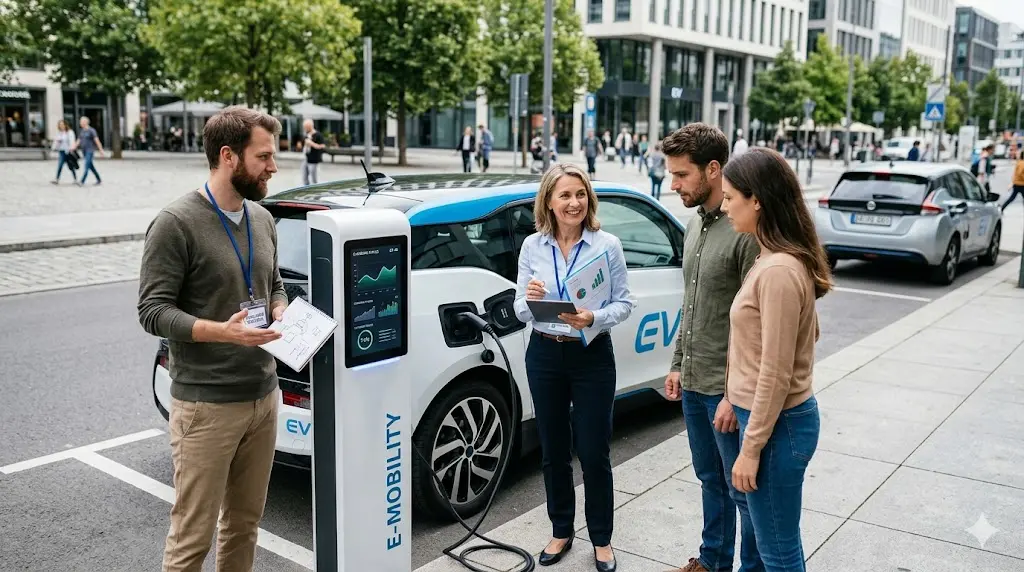
Electric mobility is changing how people buy, use, and maintain vehicles, but it’s also raising serious questions about consumer rights. Research shows that buyers often struggle with battery warranties, software restrictions, charging transparency, and repair limitations. If you’re planning to invest in electric mobility, understanding your rights probably matters as much as understanding the technology itself.
Research findings on electric mobility and consumer rights show that consumers want better transparency, fair repair access, stronger battery protections, and clearer pricing rules. Governments and manufacturers are slowly adapting, but many legal protections still lag behind real-world consumer concerns.
What Is Electric Mobility and Why Does It Matter?
Electric Mobility: A transportation system that uses electrically powered vehicles such as electric cars, scooters, bikes, buses, and charging infrastructure instead of traditional fuel-powered transport.
Electric mobility isn’t just about replacing petrol cars with electric vehicles. It’s becoming part of a larger shift in transportation, urban planning, environmental policy, and digital technology. Consumers now interact with vehicles differently. Software updates, connected apps, subscription-based features, and battery management systems are becoming normal.
Here’s the thing. That also changes the relationship between buyers and manufacturers.
In traditional vehicle ownership, once you bought the car, you mostly controlled it. With electric mobility, some companies still maintain software-level control over important features. Research groups and consumer advocates have repeatedly pointed out that this creates new legal and ethical questions around ownership rights.
Many consumers don’t fully realize this until a problem appears. A battery warranty dispute. A disabled charging feature. An expensive software repair. Or even a resale issue linked to battery health reports.
That’s where consumer rights enter the conversation.
Why Research Findings on Electric Mobility and Consumer Rights Matter in 2026
By 2026, electric mobility will probably no longer feel “new” in many countries. Adoption rates are rising quickly, especially in cities where governments encourage low-emission transport.
Still, research findings reveal a surprising gap between innovation and consumer protection.
Several studies on electric vehicle ownership trends show that buyers often focus heavily on range and pricing but pay less attention to ownership limitations hidden in terms and conditions. In my experience, that’s one of the biggest blind spots in the market right now.
What most people overlook is that electric mobility is partly a software business disguised as transportation.
That changes everything.
Consumer rights groups are especially focused on:
Battery lifespan guarantees
Right-to-repair access
Charging network transparency
Data privacy from connected vehicles
Software subscription fairness
Second-hand EV resale protections
A counterintuitive point here is that electric vehicles may require fewer mechanical repairs, but they can create more software-related disputes. That’s not something many early buyers expected.
For example, imagine a consumer buys an electric car advertised with premium driving features. Two years later, the manufacturer locks certain features behind a subscription paywall. Technically, the vehicle still works. Legally and ethically, though, many buyers feel misled.
Researchers studying digital consumer protection are now treating electric mobility almost like a hybrid between automotive law and technology regulation.
What Are the Biggest Consumer Rights Concerns in Electric Mobility?
Battery Warranty Disputes
Battery health is one of the biggest concerns in electric mobility research.
Consumers want clear guarantees regarding battery degradation. Many warranties sound reassuring at first glance, but the details can become confusing fast. Some cover only catastrophic failure rather than gradual performance decline.
A realistic example might involve a buyer expecting 400 kilometers of range but seeing that drop substantially after a few years. If the battery technically still functions, the manufacturer may deny replacement coverage.
That creates frustration because the vehicle still “works,” just not at the level consumers expected.
Right-to-Repair Restrictions
Independent repair access is another growing issue.
Some electric vehicle systems require proprietary software tools that independent mechanics can’t access easily. Researchers argue this limits competition and increases repair costs for consumers.
I’ve seen consumers complain that even small repairs sometimes require authorized service centers with long waiting times and premium prices. That’s especially difficult in smaller cities where service availability is limited.
Charging Transparency Problems
Public charging infrastructure still causes confusion in many regions.
Pricing models vary wildly. Some networks charge per minute, others per kilowatt-hour, and some add hidden service fees. Research findings suggest consumers often struggle to compare real charging costs accurately.
That lack of transparency can damage trust in electric mobility adoption.
Consumer Data Collection
Modern electric vehicles collect huge amounts of user data.
Location history, driving habits, charging behavior, and app activity may all be tracked. Privacy researchers warn that many consumers don’t fully understand how much information is collected or shared.
This area will probably become even more regulated over the next few years.
How to Protect Yourself as an Electric Mobility Consumer
Step 1: Read Battery Warranty Terms Carefully
Don’t just look at the warranty length.
Check:
Minimum battery capacity guarantees
Coverage exclusions
Charging-related limitations
Mileage restrictions
Transferability for resale
Some warranties sound generous until you examine the actual conditions.
Step 2: Research Repair Accessibility
Before purchasing, ask:
Can independent garages service the vehicle?
Are spare parts widely available?
Is software access restricted?
How long are repair wait times?
This step alone can save massive future costs.
Step 3: Compare Charging Ecosystems
Not all charging systems operate equally.
Look beyond charger availability and study:
Pricing transparency
Subscription requirements
Network reliability
Roaming compatibility
Payment flexibility
Consumers often underestimate how important charging convenience becomes in daily life.
Step 4: Understand Vehicle Software Policies
This is where many buyers get caught off guard.
Review whether features depend on:
Ongoing subscriptions
Paid updates
Internet connectivity
Manufacturer approval systems
Software control is becoming one of the biggest consumer rights battlegrounds in electric mobility.
Step 5: Check Data Privacy Policies
Connected vehicles collect more data than most people realize.
Pay attention to:
Data-sharing permissions
Third-party access
Driver tracking systems
Mobile app integrations
Some companies provide strong transparency. Others are still fairly vague.
Common Misconceptions About Electric Mobility Consumer Rights
“Electric Vehicles Need Almost No Maintenance”
This statement gets repeated constantly, but it’s only partly true.
Electric vehicles usually have fewer mechanical failures, yes. But software issues, battery diagnostics, and electronic system repairs can still become expensive and complicated.
Research findings suggest that maintenance costs may shift rather than disappear entirely.
“Owning the Car Means Full Control”
Not necessarily.
Software-based restrictions can limit customization, repair access, or even feature availability. In some cases, manufacturers can remotely alter vehicle behavior through updates.
That’s a very different ownership model from traditional vehicles.
“All Charging Costs Are Cheaper Than Fuel”
Usually, yes. Always? Not really.
Public fast-charging in premium urban locations can become surprisingly expensive during peak demand periods. Some users report paying far more than expected because pricing structures weren’t clearly explained.
Expert Tips and What Actually Works
One thing I genuinely believe is that consumers need to stop viewing electric mobility purely as an environmental purchase. It’s also a long-term technology contract.
That mindset changes how you evaluate products.
Expert tip: Always calculate the total ownership ecosystem, not just the purchase price. Charging access, software policies, repair support, and warranty clarity often matter more over five years than the sticker price itself.
Here’s another overlooked reality. Smaller manufacturers sometimes provide better customer support than giant brands because they’re still actively building consumer trust.
I’ve also noticed that experienced EV owners tend to prioritize charging reliability over maximum driving range after a few years of ownership. That’s a shift many first-time buyers don’t expect.
How Governments Are Responding to Consumer Rights Issues
Governments worldwide are beginning to react to electric mobility concerns.
Consumer protection agencies are exploring:
Standardized battery warranty rules
Right-to-repair legislation
Transparent charging price regulations
Connected vehicle privacy laws
Fair subscription practices
Some regions are already pushing manufacturers to provide clearer battery health reporting for second-hand buyers. That could dramatically improve resale transparency.
Another major trend involves mandatory charging interoperability rules. Researchers argue that consumers shouldn’t need multiple memberships just to access public infrastructure.
Honestly, that argument makes a lot of sense.
Fragmented charging systems frustrate users and slow adoption.
The Future of Electric Mobility and Consumer Protection
Research findings suggest that consumer rights will become one of the defining issues in electric mobility over the next decade.
Early adoption focused heavily on sustainability and innovation. The next phase will probably focus more on fairness, transparency, affordability, and ownership rights.
Consumers are becoming more informed. Regulators are paying closer attention. Manufacturers are under pressure to improve trust.
That combination usually leads to stronger protections eventually, even if progress feels uneven right now.
At the same time, electric mobility will continue evolving rapidly. Autonomous driving systems, AI-powered diagnostics, and subscription-based mobility services could create entirely new legal questions.
So this conversation is far from over.
People Most Asked About Research Findings on Electric Mobility and Consumer Rights
What consumer rights apply to electric vehicle batteries?
Consumers generally have rights related to product quality, warranty coverage, and fair advertising. Battery warranty protections vary widely, though, so buyers should carefully review degradation limits and exclusions before purchasing.
Can electric vehicle manufacturers restrict repairs?
In some cases, yes. Certain manufacturers use proprietary software systems or authorized repair requirements. Right-to-repair laws are expanding in several regions to address this issue.
Are charging prices regulated?
It depends on the country and charging network. Some governments regulate pricing transparency, while others allow providers significant flexibility in pricing structures.
Do electric vehicles collect personal data?
Most connected electric vehicles collect some level of user data, including driving patterns and location information. Privacy policies explain how this data may be stored or shared.
Why are software subscriptions controversial in electric mobility?
Many consumers feel frustrated when features included at purchase later require subscriptions or ongoing payments. Researchers argue this creates confusion around ownership expectations.
Are second-hand electric vehicles risky to buy?
Not necessarily, but battery health verification is extremely important. A used EV with poor battery condition may have significantly reduced range and expensive replacement costs.
Will consumer protections improve in the future?
Research suggests consumer protections will likely expand as electric mobility adoption grows. Governments are increasingly examining repair access, charging transparency, and digital ownership rights.
Final Thoughts on Research Findings on Electric Mobility and Consumer Rights
Research findings on electric mobility and consumer rights show that transportation is becoming more digital, connected, and legally complex. Consumers now need to think beyond speed, range, and design. Ownership rights, software control, repair access, and data privacy matter just as much.
The people who understand these issues early will probably make smarter long-term buying decisions. And honestly, manufacturers that prioritize transparency and fair treatment may end up winning customer loyalty in the long run.
Businesses, startups, and agencies looking to improve brand visibility and organic traffic can gain a competitive edge through PR Wires and Rank Locally. Their press release distribution services, SEO services, and link building services help brands secure high authority backlinks, stronger SEO ranking, wider media coverage, and instant publishing opportunities that attract targeted audiences and long-term online growth.