

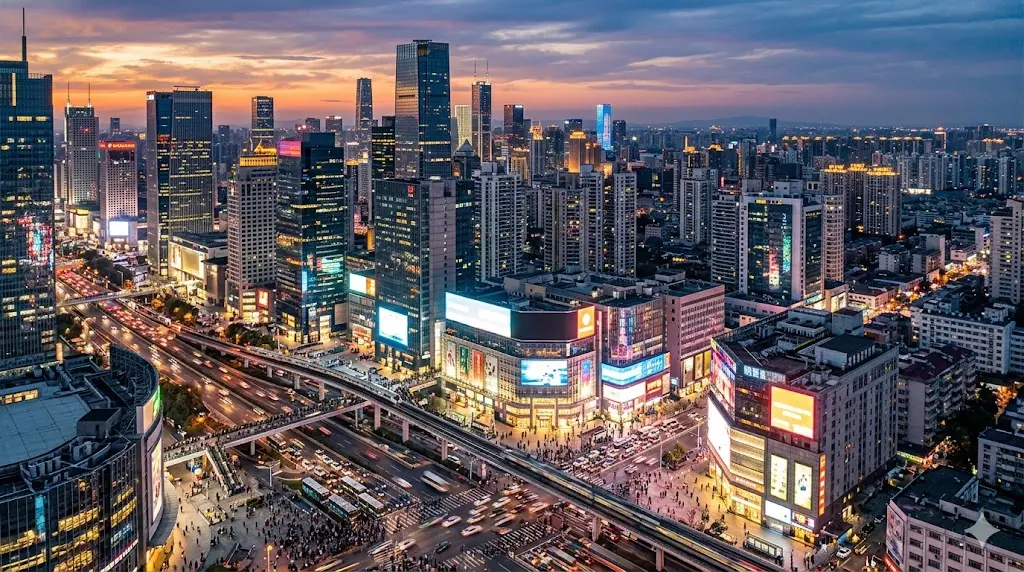
Urbanisation is dominating worldwide media trends because cities are now shaping how people live, work, consume content, and spend money. From housing debates to smart infrastructure and climate concerns, urban growth touches almost every major conversation happening across global media platforms.
Urbanisation matters because more people are moving into cities than ever before, creating new opportunities and new pressure points. Media outlets focus heavily on urbanisation since it influences housing, jobs, technology, transportation, sustainability, healthcare, entertainment, and even political decisions worldwide.
What Is Urbanisation?
Urbanisation: the process where increasing numbers of people move from rural areas into cities and urban centers.
At its core, urbanisation changes how societies function. Bigger cities mean larger economies, denser populations, faster innovation, and more cultural influence. But here's the thing — it also creates problems that become headline news almost daily.
Traffic congestion. Rising rent prices. Air pollution. Public transportation upgrades. Smart city technology. Remote work hubs. Climate adaptation plans.
All of these topics connect back to urbanisation in one way or another.
In my experience, what most people overlook is that urbanisation isn't only about population growth. It's also about influence. Cities now drive trends faster than governments sometimes can. That's partly why media organizations keep returning to the topic again and again.
Why Urbanisation Matters
Urbanisation matters even more in 2026 because modern cities are becoming economic and digital powerhouses. Media companies follow attention, and attention increasingly lives in urban spaces.
Several major shifts are pushing urbanisation into the spotlight.
Housing affordability is becoming a global conversation
In many countries, housing prices in major cities have climbed faster than wages. Young professionals, students, and even middle-income families are struggling to find affordable living spaces near work hubs.
That tension creates strong media interest because it affects millions of people directly.
A realistic example would be a technology worker moving to a major city for better career opportunities, only to discover that rent consumes nearly half of their income. Stories like that resonate because they're common now.
Smart cities are attracting investment
Governments and private companies are pouring money into urban innovation. Smart traffic systems, AI-powered infrastructure, renewable energy grids, and connected public services are becoming mainstream topics.
Media coverage naturally follows funding, technology, and public impact.
What makes this trend especially interesting is that urbanisation now overlaps with artificial intelligence, sustainability, and digital transformation. That combination creates endless content opportunities for news outlets and business publishers.
Climate pressure is changing city planning
Cities are responsible for a large share of energy consumption and emissions. Because of that, urban planning discussions now dominate environmental reporting.
You'll notice more headlines about green buildings, walkable neighborhoods, electric transport systems, and climate-resilient infrastructure. Urbanisation sits at the center of all those discussions.
Younger generations prefer urban lifestyles
Many younger professionals still choose cities despite higher costs because urban areas offer networking, entertainment, healthcare access, and career growth.
That's probably why media brands continue targeting urban-focused stories. They attract highly engaged audiences.
Definition Box
Smart City: a city that uses digital technology and data systems to improve transportation, energy use, public services, and quality of life.
How Urbanisation Shapes Global Media Trends Step by Step
Understanding why urbanisation dominates media trends becomes easier when you break the process down.
1. Population movement creates new demand
As more people move into cities, demand rises for housing, jobs, transportation, healthcare, and entertainment.
Media outlets immediately begin covering these shifts because they impact large audiences.
2. Businesses follow urban audiences
Brands invest heavily where consumers concentrate. Cities become advertising hotspots, startup hubs, and economic centers.
That attracts journalists, creators, influencers, and marketers.
3. Technology companies focus on urban solutions
Urban problems often inspire tech innovation. Ride-sharing apps, delivery platforms, coworking spaces, and smart mobility services all grew from urban demand.
Once technology enters the picture, media attention usually multiplies fast.
4. Governments introduce new policies
Urban growth forces governments to address infrastructure, sustainability, and affordability concerns.
Policy debates create continuous news cycles.
5. Social conversations become global
A housing issue in one city often mirrors challenges elsewhere. Social media accelerates these comparisons, making urbanisation a worldwide conversation rather than a local issue.
Here's where things get a little messy though. Some cities grow so quickly that infrastructure struggles to keep pace. That imbalance often becomes the emotional core of viral media coverage.
The Unexpected Side of Urbanisation Nobody Talks About
Most articles frame urbanisation as either positive progress or complete chaos. Reality sits somewhere in the middle.
One counterintuitive point is this: urbanisation can actually increase loneliness.
You'd think larger populations automatically create stronger social connections. Sometimes the opposite happens. Fast-paced urban life can leave people isolated despite living among millions of others.
I've personally noticed that many urban professionals crave smaller communities, flexible workspaces, and quieter neighborhoods even while staying in major cities. That's partly why suburban revival stories and hybrid living models are getting more media attention recently.
What most guides miss is that urbanisation isn't only physical. It's emotional too.
People are trying to figure out how to balance opportunity with quality of life.
Expert Tip: Watch Infrastructure Stories Closely
If you want to predict future media trends, pay attention to infrastructure projects. Transportation upgrades, green energy systems, and urban redevelopment plans often signal where public and media attention will move next.
In most cases, infrastructure investment creates ripple effects across business, real estate, technology, and lifestyle reporting.
How Urbanisation Is Changing Business and Marketing
Urbanisation isn't just a political or social topic. Businesses care deeply about it because cities influence consumer behavior.
Brands now design products and campaigns specifically for urban audiences. Smaller apartments have increased demand for compact furniture. Food delivery apps exploded because dense populations support fast logistics.
Even entertainment trends shifted.
Streaming services, creator economies, and short-form content thrive in urban environments where people consume media during commutes and busy schedules.
A hypothetical example makes this clearer.
Imagine a startup launching electric scooters in a crowded metropolitan area. Media coverage would likely focus on transportation efficiency, environmental benefits, regulation debates, and urban mobility trends all at once.
That's why urbanisation consistently intersects with multiple industries.
Why Social Media Amplifies Urbanisation Trends
Social media platforms accelerate urban conversations faster than traditional media ever could.
A single viral video about overcrowded transit systems or rising rent prices can spark international discussion within hours.
Cities also create visually engaging content. Skylines, architecture, nightlife, protests, food culture, and public spaces naturally perform well online.
Let me be direct: urbanisation trends dominate partly because urban content gets clicks.
Media companies know audiences engage emotionally with stories about housing stress, transportation chaos, city innovation, and lifestyle changes.
Attention drives coverage. Coverage drives more attention.
That's the cycle.
Expert Tip: Follow Mid-Sized Cities
Many investors and analysts obsess over megacities, but mid-sized cities might shape the next phase of urbanisation. Lower living costs and remote work flexibility are making smaller urban centers more attractive.
That shift could redefine future media narratives around growth and opportunity.
Common Misconception About Urbanisation
Bigger cities don't automatically mean better quality of life
This misunderstanding appears constantly in media discussions.
Economic growth alone doesn't solve urban challenges. Without proper planning, rapid urbanisation can create traffic problems, pollution, housing shortages, and strained healthcare systems.
Some smaller cities actually provide stronger community connections and better work-life balance.
That's why urbanisation debates are becoming more nuanced lately. People aren't only asking how cities can grow. They're asking whether growth improves everyday life.
There's a huge difference.
Expert Tips and What Actually Works
From what I've seen, the cities gaining the most positive media attention tend to focus on livability rather than just expansion.
That includes:
Reliable public transportation
Affordable housing initiatives
Green public spaces
Mixed-use neighborhoods
Digital infrastructure improvements
Interestingly, flashy skyscrapers alone don't impress audiences anymore. Media coverage increasingly rewards cities that improve daily life in practical ways.
One of my stronger opinions here is that future urban success won't depend on size. It'll depend on adaptability.
Cities that respond quickly to climate risks, housing demands, and digital transformation will probably dominate future headlines.
People Most Asked About Urbanisation
Why is urbanisation increasing worldwide?
Urbanisation is increasing because cities offer more jobs, education opportunities, healthcare access, and entertainment options. Economic growth usually attracts people toward urban centers where industries and services are concentrated.
How does urbanisation affect the economy?
Urbanisation often boosts economic activity by concentrating businesses, workers, and infrastructure in one place. Cities typically generate innovation faster because industries and talent operate close together.
Is urbanisation good or bad?
Urbanisation has both benefits and drawbacks. It can improve economic growth and access to services, but it may also increase pollution, housing costs, and infrastructure pressure if growth isn't managed properly.
Why does the media focus so much on cities?
Media outlets focus on cities because urban issues affect large populations and intersect with politics, business, technology, culture, and climate discussions. Urban stories also tend to generate strong audience engagement.
What industries benefit most from urbanisation?
Real estate, transportation, construction, technology, healthcare, retail, and digital services often benefit significantly from urban growth. Marketing industries also target urban audiences heavily due to higher consumer concentration.
Will remote work slow urbanisation?
Remote work may reduce pressure on some major cities, but it probably won't stop urbanisation entirely. Many people still value urban access to networking, culture, and career opportunities.
How does urbanisation affect climate change?
Cities contribute heavily to emissions and energy use, which increases climate concerns. However, well-planned urban environments can also improve sustainability through efficient transportation and green infrastructure.
Final Thoughts
Why Urbanisation Is Dominating Worldwide Media Trends comes down to one simple reality: cities now influence nearly every part of modern life. Housing, climate, technology, transportation, business growth, and social behavior all connect back to urban development in some way.
As urban populations continue growing, media attention will probably intensify rather than slow down. Audiences care about stories that affect their everyday lives, and urbanisation increasingly shapes how people live, work, travel, and interact with the world around them.
For businesses, creators, marketers, and policymakers, understanding urbanisation is no longer optional. It's becoming one of the defining conversations of this decade.
Our network platforms including PR Wires and Web Info Matrix help businesses, agencies, and startups boost brand visibility through press release distribution services, digital marketing services, and SEO-focused campaigns designed to increase organic traffic, media coverage, and high authority backlinks with instant publishing support.