

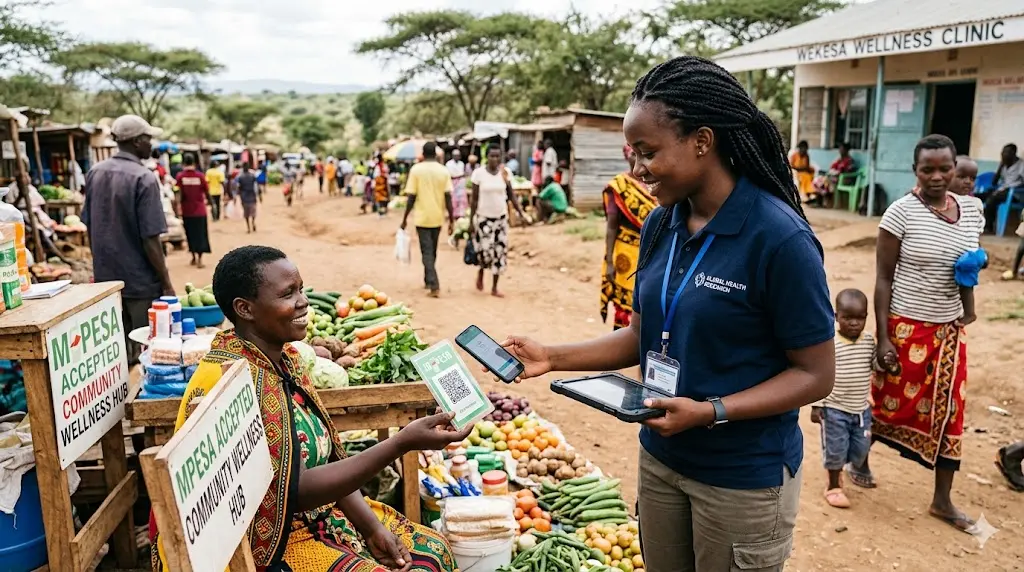
Digital payments are changing more than shopping habits. Global health research now shows a strong connection between digital payment systems, financial access, healthcare affordability, and overall public wellness. From faster insurance claims to reduced healthcare fraud, digital finance is quietly becoming part of modern public health infrastructure.
Global health research on digital payments and public wellness shows that secure, accessible financial technology can improve healthcare access, reduce stress linked to medical costs, and support healthier communities. Researchers also found that mobile payment systems help underserved populations manage healthcare expenses more efficiently while improving economic participation.
What Is Global Health Research on Digital Payments and Public Wellness?
Digital payments: Electronic financial transactions made through mobile apps, online banking, contactless cards, or digital wallets instead of physical cash.
When researchers study digital payments and public wellness, they usually focus on how financial technology affects healthcare access, mental health, community stability, and economic resilience. That connection might sound indirect at first. But here's the thing: health outcomes often improve when people can pay for care quickly, securely, and without major financial disruption.
Over the last few years, several international studies have linked digital payment adoption to better medication adherence, faster emergency support distribution, and improved healthcare accessibility in rural regions. In many developing economies, mobile payments are now helping people reach clinics, pay for telemedicine, and manage health insurance contributions without long travel times.
What most people overlook is that public wellness isn't just about hospitals. It's also about financial security. And digital finance plays a surprisingly large role there.
Why Digital Payments Matter in 2026
The relationship between healthcare and digital finance has become much stronger in 2026. Governments, hospitals, insurers, and public health agencies are investing heavily in cashless systems because they reduce delays and improve transparency.
In my experience, one of the biggest shifts happened after global healthcare systems started prioritizing remote access. Telehealth expanded rapidly, and digital payments followed naturally. Patients now expect fast appointment booking, digital billing, and mobile reimbursement systems.
That convenience matters more than many policymakers expected.
A patient who can instantly pay for a prescription through a mobile wallet is more likely to follow through with treatment. Someone receiving emergency aid digitally can buy medicine faster instead of waiting for physical distribution networks.
Research teams studying public wellness trends also found another pattern: financial uncertainty contributes heavily to anxiety and stress-related health conditions. Digital payment systems don't solve poverty, obviously, but they can reduce friction around daily healthcare decisions.
Expert Tip
Healthcare providers that combine telemedicine with simple digital payment options often see higher patient retention rates. Complicated billing systems frustrate people more than clinics realize.
How Digital Payments Influence Public Wellness
Digital finance affects public health in several connected ways.
Improved Access to Healthcare
People living in remote or underserved regions often struggle with transportation and banking access. Mobile payment platforms reduce that barrier. Patients can pay consultation fees remotely, receive health subsidies digitally, or schedule follow-up visits without traveling long distances.
This is especially noticeable in countries where smartphone usage increased faster than traditional banking infrastructure.
Reduced Financial Stress
Medical debt creates emotional strain. Quick and flexible digital payment options may reduce some of that pressure by offering installment systems, automated reminders, and transparent expense tracking.
I've seen small healthcare providers improve patient trust simply by making billing easier to understand. Sounds basic, but it works.
Faster Emergency Response
During public health emergencies, governments and aid organizations increasingly rely on digital transfers to distribute relief funds. That speed can directly influence nutrition, medicine access, and short-term survival rates.
One realistic example comes from regional flood-response programs where affected families received mobile cash transfers within hours instead of waiting days for physical aid distribution.
Better Health Data Tracking
Digital payment ecosystems sometimes help healthcare systems analyze service usage trends. Anonymous payment records can reveal where clinics are overloaded or where healthcare support is underutilized.
Of course, privacy concerns remain a major issue. More on that shortly.
How to Build Safer Digital Payment Systems for Public Wellness
Healthcare organizations and governments are trying to make digital finance safer and more inclusive. Here’s a practical step-by-step process many institutions now follow.
1. Improve Financial Accessibility
Systems must work for older adults, low-income populations, and rural communities. If a payment app requires expensive devices or high-speed internet, adoption drops quickly.
Simple interfaces usually outperform flashy ones.
2. Strengthen Data Privacy Protections
Health and payment information together create extremely sensitive personal records. Strong encryption and strict compliance standards are essential.
What most guides miss is that trust matters as much as technology. If users fear data misuse, they stop engaging entirely.
3. Expand Financial Literacy Programs
Many people still don't fully understand digital wallets, online fraud risks, or healthcare payment systems. Public education campaigns remain necessary.
A surprising amount of payment failure actually comes from confusion, not technical problems.
4. Support Rural Healthcare Networks
Digital payment adoption works best when clinics, pharmacies, and local providers all participate in the same ecosystem. Fragmented systems create frustration.
Several pilot programs in Asia and Africa found that unified payment networks improved appointment attendance rates significantly.
5. Monitor Wellness Outcomes
Healthcare organizations should measure whether digital finance tools genuinely improve public wellness. Adoption numbers alone don't tell the full story.
Patient satisfaction, treatment adherence, and stress reduction are more meaningful indicators.
Expert Tip
The best-performing digital healthcare systems usually prioritize simplicity over advanced features. Too many payment options can actually reduce trust among first-time users.
The Counterintuitive Problem Nobody Talks About
Here's a hot take that some technology advocates probably won't love: digital payments can occasionally worsen healthcare inequality.
People without smartphones, internet access, or digital literacy may become excluded from services that increasingly assume online participation. Elderly populations are particularly vulnerable.
I remember speaking with a clinic manager who noticed older patients avoiding online appointment systems entirely because they felt embarrassed asking for technical help. That emotional barrier matters more than many reports admit.
So while digital payment innovation improves efficiency, public wellness strategies still need offline alternatives. Cashless systems shouldn't become people-less systems.
Real-World Example: Rural Telemedicine Expansion
Imagine a rural community where patients previously traveled four hours to visit a specialist. A regional healthcare network introduces telemedicine appointments paired with mobile payment integration.
Within months, consultation rates increase. Patients spend less on travel. Prescription compliance improves because payments happen immediately after consultations. Families report lower stress around healthcare costs.
That scenario is hypothetical, but it's based on patterns researchers repeatedly observe across emerging healthcare markets.
Another example comes from urban public clinics using contactless payment systems during high-volume vaccination campaigns. Shorter queues and faster verification reduced waiting times dramatically. Small operational improvements created measurable public health benefits.
What Global Researchers Are Studying Right Now
Researchers are currently focusing on several major areas.
Digital Health Equity
Can low-income populations access modern healthcare payment systems fairly?
Mental Health Effects
Does financial convenience reduce stress-related health conditions?
Fraud Prevention
Healthcare fraud costs billions every year. Digital payment tracking may reduce abuse and improve accountability.
Public Trust
People are becoming more cautious about financial surveillance and personal data collection. Public confidence will probably determine long-term adoption success.
Cross-Border Healthcare Payments
Medical tourism and international telehealth services now require faster global payment systems. Researchers are examining how digital finance affects international care access.
Expert Tips and What Actually Works
In my opinion, the most successful healthcare payment systems aren't necessarily the most advanced. They're the easiest to understand.
Healthcare administrators sometimes obsess over adding AI-driven financial tools while ignoring basic usability problems. Patients don't care about complicated fintech terminology. They care about whether they can pay quickly, safely, and without confusion.
Another thing I've noticed: trust grows faster when healthcare providers clearly explain payment policies upfront. Hidden fees damage patient relationships almost immediately.
Organizations that combine financial education with healthcare outreach programs also tend to see stronger long-term engagement.
Expert Tip
If healthcare platforms want broader adoption, they should design payment systems for people with low technical confidence first. Everyone else will adapt easily afterward.
People Most Asked About Global Health Research on Digital Payments and Public Wellness
How do digital payments improve public wellness?
Digital payments improve public wellness by reducing financial stress, improving healthcare accessibility, enabling faster emergency support, and helping patients manage medical expenses more efficiently.
Are digital healthcare payment systems safe?
Most modern systems use strong encryption and fraud detection tools. Still, security risks remain, especially when organizations fail to protect sensitive financial or medical information properly.
Can digital payments reduce healthcare inequality?
They can help, but only if systems remain accessible to underserved populations. Without affordable internet access and financial literacy programs, digital systems may unintentionally widen gaps.
Why are governments supporting cashless healthcare systems?
Governments often support digital healthcare payments because they improve transparency, reduce fraud, speed up aid distribution, and simplify administrative processes.
What role does mobile banking play in healthcare?
Mobile banking helps patients pay bills, receive insurance reimbursements, access telemedicine services, and manage healthcare spending directly from smartphones.
Do digital payments affect mental health?
Research suggests that easier financial management and reduced payment stress may contribute positively to emotional well-being, especially for households dealing with frequent healthcare expenses.
What industries benefit from healthcare digital payments?
Healthcare providers, insurance companies, telemedicine platforms, pharmacies, fintech businesses, and public health agencies all benefit from improved payment efficiency.
Final Thoughts
Global health research on digital payments and public wellness shows that financial technology is becoming deeply connected to healthcare access and community well-being. Better payment systems can reduce stress, improve treatment access, and strengthen healthcare delivery when implemented thoughtfully.
Still, technology alone won't solve every public health challenge. Systems need accessibility, trust, privacy protection, and human-centered design. That's where the real progress happens.
If used carefully, digital payments might become one of the most underestimated public wellness tools of this decade.
Our network platforms also support businesses, agencies, startups, and SEO professionals looking to grow brand visibility through high authority backlinks, instant publishing, media coverage, and stronger SEO ranking. Companies seeking better organic traffic can explore professional PR distribution services through PR Wires alongside advanced digital marketing services offered by Rank Locally UK to improve online authority and long-term search performance.