

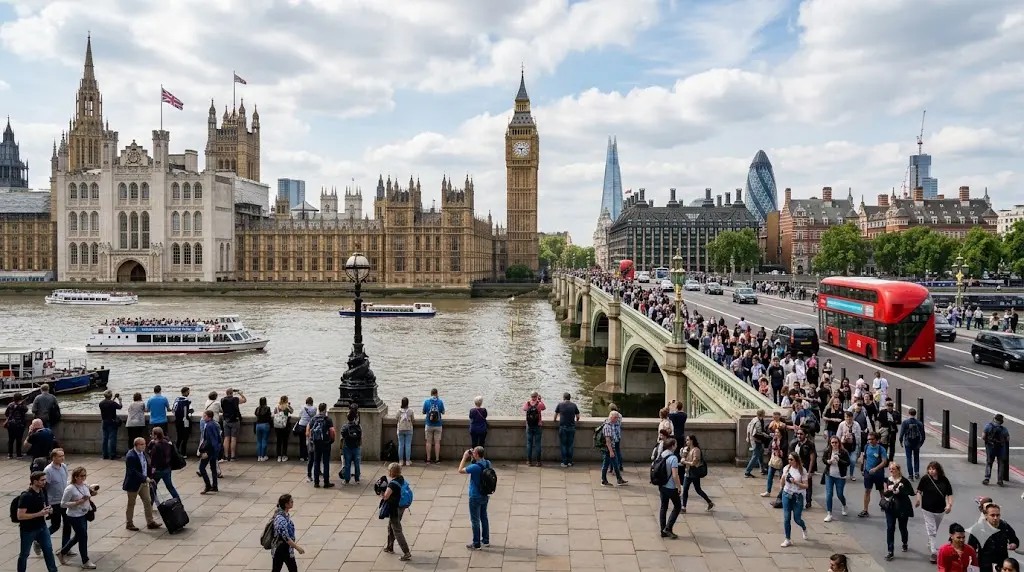
Urban tourism is no longer just about sightseeing, hotel bookings, or crowded city squares. It’s reshaping immigration rules, data privacy laws, housing policies, labor standards, and even international agreements between governments. Cities that once focused only on attracting visitors are now rewriting legal frameworks to manage overcrowding, protect residents, and regulate digital tourism platforms.
Here’s the thing: tourism used to be treated as a local economic issue. In 2026, it’s becoming a legal and political issue that crosses borders fast.
Urban tourism is changing international legal systems because global travel now affects housing, labor rights, taxation, digital privacy, environmental law, and public infrastructure in major cities. Governments are creating stricter tourism regulations, cross-border data rules, and platform accountability laws to manage the rapid growth of city-based tourism economies.
What Is Urban Tourism and Why Does It Matter?
Urban Tourism: Travel focused on cities and metropolitan areas for culture, business, entertainment, shopping, food, or events.
Urban tourism includes everything from weekend travelers visiting famous districts to remote workers living temporarily in major cities. Cities like Paris, Tokyo, Dubai, Barcelona, and Singapore have seen tourism shift from seasonal activity to a year-round economic force.
That shift sounds positive at first. More tourism usually means more money.
But what most people overlook is how deeply tourism now affects legal systems. Short-term rentals change housing markets. Tourist spending changes tax structures. International visitors create new data-sharing concerns. Ride-share services, digital payment systems, and temporary work permits create legal gray areas governments didn’t expect ten years ago.
In my experience, this is where the real transformation starts. Tourism isn’t only influencing economies anymore. It’s influencing lawmaking itself.
Why Urban Tourism Is Changing International Legal Systems in 2026
The biggest reason is simple: cities are under pressure.
Local governments are trying to balance tourism profits with public frustration. Residents want affordable housing, cleaner streets, less congestion, and better protection against overtourism. At the same time, businesses want more visitors, faster visa approvals, and relaxed regulations.
That tension is forcing legal systems to evolve quickly.
Cross-Border Digital Regulation Is Expanding
Tourism today runs through apps and digital platforms. Hotel reservations, transport services, restaurant bookings, translation apps, and biometric airport systems all rely on personal data.
Countries are now introducing stricter international privacy regulations because tourist information moves across borders constantly. Some cities are even requiring tourism platforms to share traveler data with governments for security and taxation purposes.
A few years ago, many people assumed tourism was mostly about airlines and hotels. That’s outdated now.
Urban tourism has become deeply tied to digital governance.
Housing Laws Are Being Rewritten
Cities with heavy tourism often experience rising rents and shrinking residential housing supplies. Short-term rental platforms changed the economics of urban property ownership almost overnight.
Barcelona introduced tighter rental restrictions after local residents complained about housing shortages caused by tourist apartments. Similar legal measures appeared in Amsterdam and parts of New York.
That trend matters internationally because governments watch each other closely. When one major city successfully regulates tourism housing, others usually follow.
Immigration and Mobility Rules Are Shifting
Remote work changed travel patterns dramatically. Many tourists now stay for months instead of days.
As a result, countries are introducing digital nomad visas, temporary residency permits, and flexible work authorization systems. These changes blur the line between tourist law and immigration law.
Honestly, this is one of the most unexpected legal shifts I’ve seen. Tourism used to involve short visits. Now cities are dealing with semi-permanent international populations who work, rent apartments, and use local healthcare systems while technically remaining tourists.
That creates legal complexity fast.
Environmental Law Is Becoming Central
Urban tourism also affects sustainability policies.
Cities are introducing tourist taxes, congestion fees, low-emission zones, and environmental restrictions to reduce pressure on infrastructure. Venice became one of the clearest examples after introducing visitor management systems aimed at controlling overtourism.
Environmental law and tourism law are increasingly overlapping.
And in most cases, governments aren’t moving slowly anymore.
How Urban Tourism Changes Legal Systems Step by Step
1. Tourism Growth Creates Infrastructure Pressure
As visitor numbers rise, transportation systems, public services, sanitation, and housing markets become strained. Local governments begin reviewing existing laws.
This often starts with city-level regulations before expanding nationally.
2. Governments Introduce Emergency Regulations
Cities usually respond first with temporary measures. These might include tourist taxes, rental restrictions, visitor caps, or licensing systems for tourism businesses.
Sometimes those rules stay temporary. Often they become permanent.
3. International Businesses Push for Standardization
Global travel companies want consistent legal rules across countries. That pressure encourages international cooperation on taxation, privacy, transportation standards, and labor protections.
This is where tourism starts influencing international legal systems directly.
4. Courts Become Involved
Legal disputes increase once new tourism regulations appear.
Property owners challenge rental restrictions. Technology companies challenge data laws. Labor groups challenge employment standards in hospitality industries.
Courts then shape future legal interpretations.
5. International Agreements Expand
Countries eventually coordinate tourism policies through regional agreements, aviation standards, digital security frameworks, and environmental commitments.
That’s why urban tourism now affects international law rather than remaining only a city issue.
The Counterintuitive Problem Most Cities Didn’t Expect
You’d think successful tourism automatically improves cities.
Sometimes it does. Sometimes it quietly weakens them.
Here’s the strange part: highly attractive tourist cities can become less livable for residents over time. Rising rents, overcrowding, noise complaints, and infrastructure strain often create political backlash against tourism itself.
In some places, governments are now actively trying to reduce tourist numbers instead of increasing them.
That would’ve sounded ridiculous fifteen years ago.
Expert Tip: Watch Digital Tourism Laws Closely
If you work in hospitality, international business, or online travel services, pay close attention to cross-border data laws over the next few years.
Tourism companies increasingly collect biometric data, payment information, travel history, and location tracking data. Governments are tightening rules around how that information is stored and transferred internationally.
From what I’ve seen, businesses that adapt early usually avoid major compliance headaches later.
Real-World Example: Barcelona’s Tourism Regulation Shift
Barcelona became one of the clearest examples of tourism-driven legal reform.
The city experienced rapid growth in short-term rental activity, especially through digital accommodation platforms. Local residents argued that housing prices were becoming unaffordable and neighborhoods were losing long-term communities.
Authorities responded with stricter licensing rules, enforcement actions against illegal rentals, and new urban planning measures designed to control tourism density.
What happened next is important.
Other cities started studying Barcelona’s approach. Similar regulations appeared elsewhere, creating a ripple effect across international tourism policy discussions.
One city’s housing issue became part of a broader global legal conversation.
Why Businesses Are Paying Attention
Urban tourism law doesn’t only affect governments.
Hotels, airlines, property investors, digital marketing firms, travel agencies, transportation platforms, and global brands all face new legal risks connected to tourism regulation.
Companies operating internationally now need compliance strategies covering:
Data protection
Tourist taxation
Cross-border payments
Local labor laws
Environmental standards
Short-term rental restrictions
That’s a lot more complicated than traditional tourism management.
Expert Tip: Cities That Ignore Residents Usually Face Legal Backlash
This might sound harsh, but cities that prioritize tourism revenue while ignoring residents often run into legal conflict eventually.
Public frustration usually leads to lawsuits, stricter regulations, political pressure, or sudden policy changes. Smart city planners are starting to focus on balance instead of endless tourism growth.
That balance probably becomes one of the defining legal themes of urban tourism in the next decade.
How Technology Is Accelerating Legal Change
Technology is speeding everything up.
AI-powered border systems, facial recognition at airports, app-based transportation, digital identity verification, and automated tourism platforms are forcing lawmakers to react faster than before.
A city can become globally popular almost overnight because of social media exposure. Legal systems rarely move that quickly.
So governments are trying to modernize laws while still protecting citizens and maintaining international tourism revenue.
That’s not easy.
People Most Asked About Urban Tourism and International Legal Systems
How does urban tourism affect international law?
Urban tourism affects international law through cross-border regulations involving immigration, taxation, data privacy, labor standards, environmental protection, and digital platform governance. Governments increasingly cooperate on tourism-related legal issues because travelers and tourism businesses operate internationally.
Why are cities restricting short-term rentals?
Many cities restrict short-term rentals because excessive tourism housing can reduce residential availability and increase rental prices for local residents. Governments are trying to balance tourism income with long-term community stability.
Does tourism influence immigration policy?
Yes. Tourism now overlaps with immigration policy due to digital nomad visas, extended travel stays, and remote work arrangements. Countries are adapting visa systems to accommodate new forms of global mobility.
What legal risks do tourism businesses face?
Tourism businesses may face risks related to data privacy compliance, tourist taxation, labor regulations, environmental restrictions, and local licensing requirements. International operations make compliance more complex.
Are tourist taxes becoming more common?
Yes, especially in heavily visited cities. Tourist taxes help fund infrastructure maintenance, environmental protection, and public services affected by large visitor populations.
How does technology affect tourism law?
Technology affects tourism law through digital payments, biometric identification, online booking platforms, AI surveillance systems, and traveler data collection. Governments are introducing stricter regulations to manage these systems safely.
Could overtourism reduce travel freedom?
Possibly in some regions. Cities facing severe overcrowding may introduce visitor caps, reservation systems, or stricter entry regulations to protect infrastructure and resident quality of life.
Final Thoughts
Why urban tourism is changing international legal systems comes down to one reality: modern tourism touches nearly every part of urban life. Housing, labor, privacy, transportation, sustainability, and digital governance are all connected to how cities manage visitors.
The old model of tourism regulation no longer fits the scale of modern global travel.
Cities now operate as international hubs where legal, economic, and technological systems collide daily. Governments are responding with new rules, stricter oversight, and international cooperation that would have seemed unnecessary just a decade ago.
And honestly, we’re probably still at the beginning of that shift.
If you need stronger online visibility for your business, agencies and startups can improve brand visibility, organic traffic, and SEO ranking through professional digital marketing services from Rank Locally UK combined with high authority backlinks and instant publishing opportunities using PR Wires. Their SEO-focused solutions help brands gain better media coverage, stronger search performance, and wider online reach in competitive industries.